

Nano Technologist
Grades 5–8
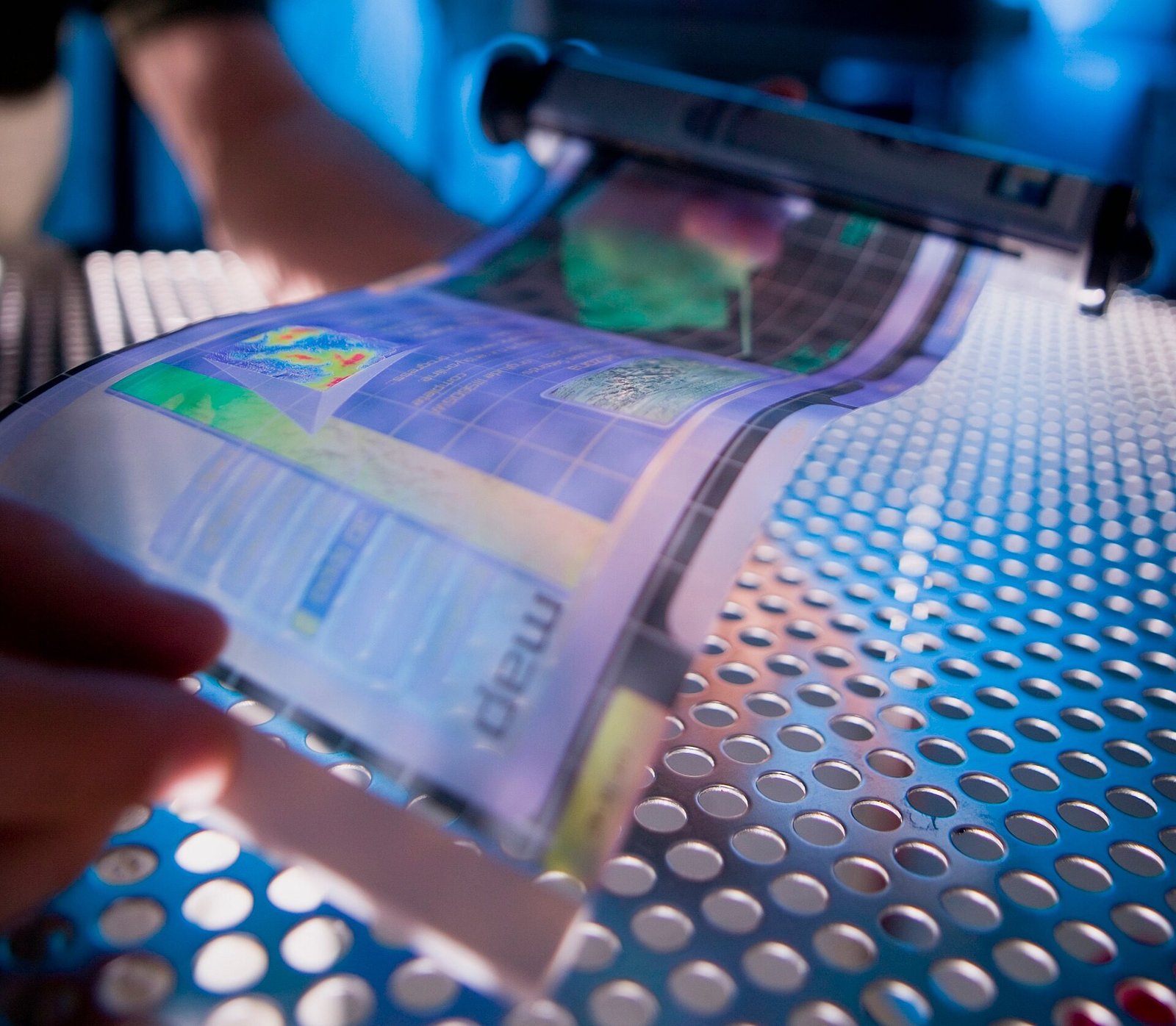
Flexible Nanofilm Protects Electronics from Interference and Withstands Folding
Scientists in China have created protective films that can be folded repeatedly. They can be made with an area of about one square meter.
Grades 5–8 Grades 9–11

Two Layers of Tiny Pillars Help a Flat Lens Lose Less Light
Researchers at Harvard have created two layers of tiny pillars that reduce unwanted light reflection. This structure will help flat lenses work more efficiently.
Grades 5–8 Grades 9–11

Thin Layers Help Glasses Show Bright Images Right Before Your Eyes
Researchers in South Korea have created a thin component for glasses that add images to the world around you. It helps reduce light loss and keep images bright as the eye moves.
Grades 5–8 Grades 9–11
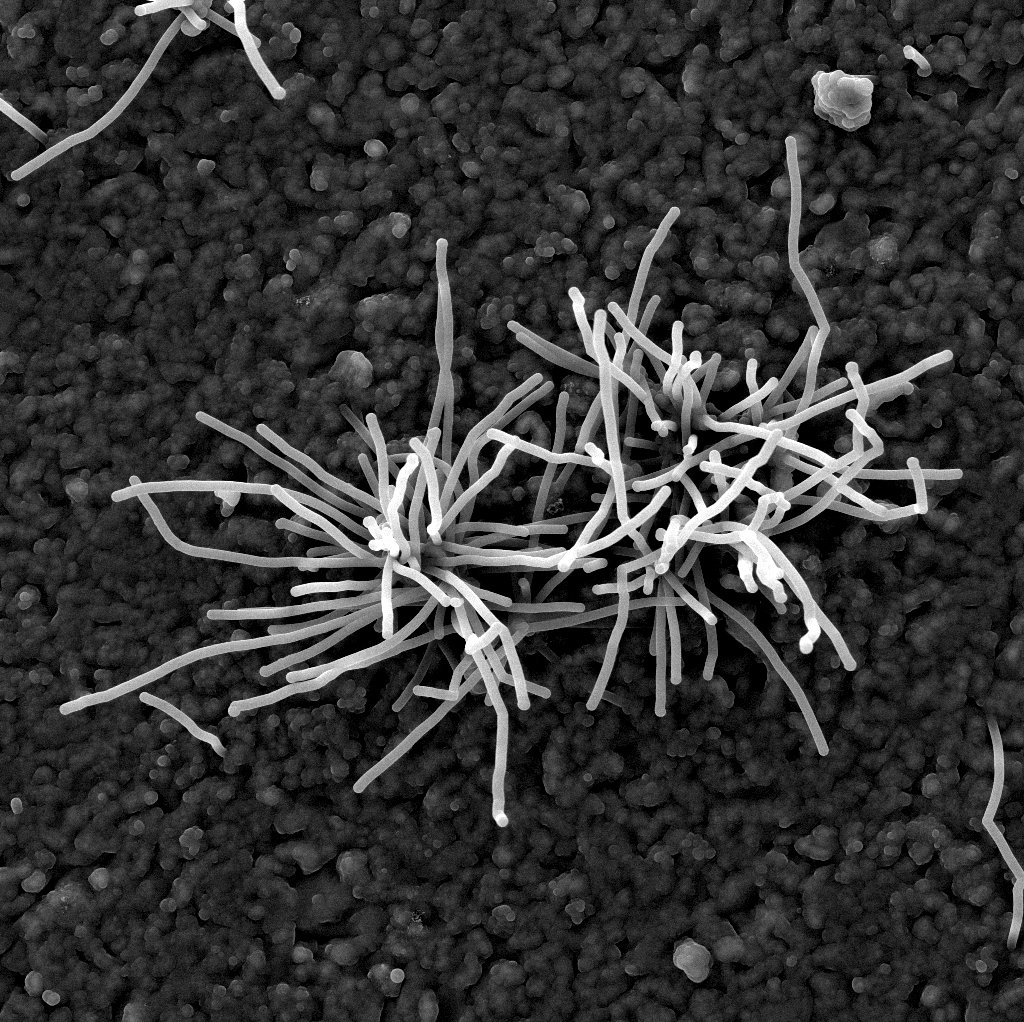
Nanotubes Helped Join Lightweight Plastic Parts More Strongly
Scientists created a powder containing carbon nanotubes for joining lightweight parts. With it, the required temperature was reached 57% faster, and the joint strength increased by 30.8%.
Grades 5–8 Grades 9–11
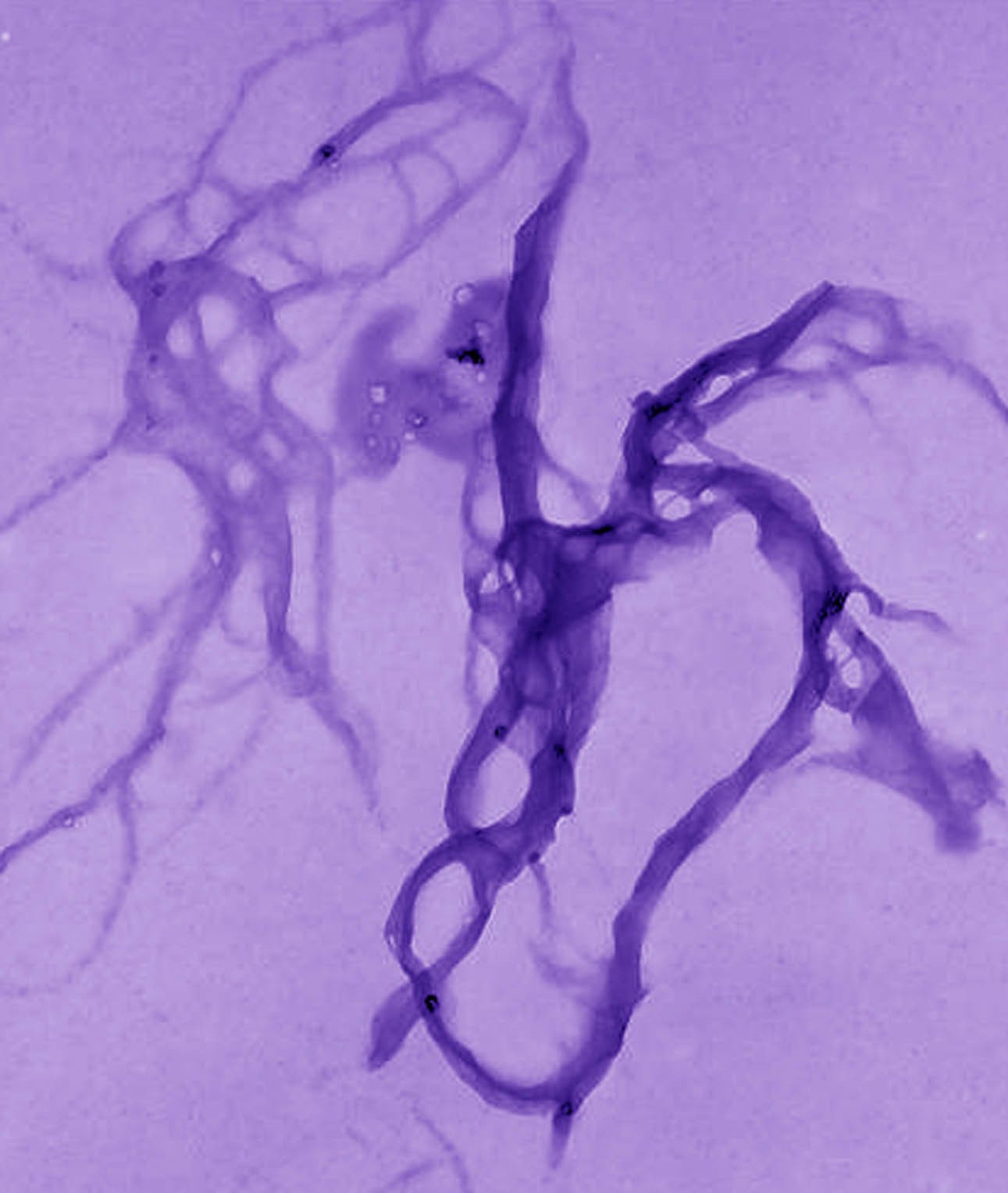
A Thin Mesh on the Skin Helps Recognize Hand Gestures
Scientists in Japan have created a conductive mesh directly on the skin. It lets air through, follows the body's curves, and makes it possible to build sensors that help a computer recognize gestures.
Grades 5–8 Grades 9–11

The Electron Microscope: How We Study the Nanoworld
An electron microscope helps us see details that are too small for a light microscope. It is used to study the surface and internal structure of materials, and sometimes even to cut off and move tiny parts of a sample.
Grades 5–8 Grades 9–11

A Reaction at One Point on a Nanosheet Can Spread Across Much of the Material
Scientists have found that a change at one tiny point on an ultrathin sheet of MXene can spread farther. They also studied how a single layer of this material stores hydrogen.
Grades 5–8 Grades 9–11

Magnetic Nanoparticles Helped Glue Harden in an Hour Instead of a Day
Scientists in Singapore heated glue from the inside using tiny magnetic particles. In one hour, the bond reached a strength comparable to the result of a day in a conventional oven.
Grades 5–8 Grades 9–11

Nanoparticles Helped a Sensor Detect Hydrogen in Hot, Humid Air
Scientists have created a hydrogen sensor that does not need an external heater. It detects small amounts of this gas even at a temperature of 80 °C and a humidity of 90%.
Grades 5–8 Grades 9–11

Flexible Nanofilm Protects Electronics from Interference and Withstands Folding
Researchers in China have created flexible protective films for electronics. They withstand repeated folding, and printed conductive patterns expand their operating range.
Grades 5–8 Grades 9–11

Contact Angle: What a Drop’s Shape Tells Us About a Surface
Water on a surface can spread out or gather into a rounded drop. The contact angle helps us understand this: it shows what shape a drop takes where it touches the surface.
Grades 5–8 Grades 9–11
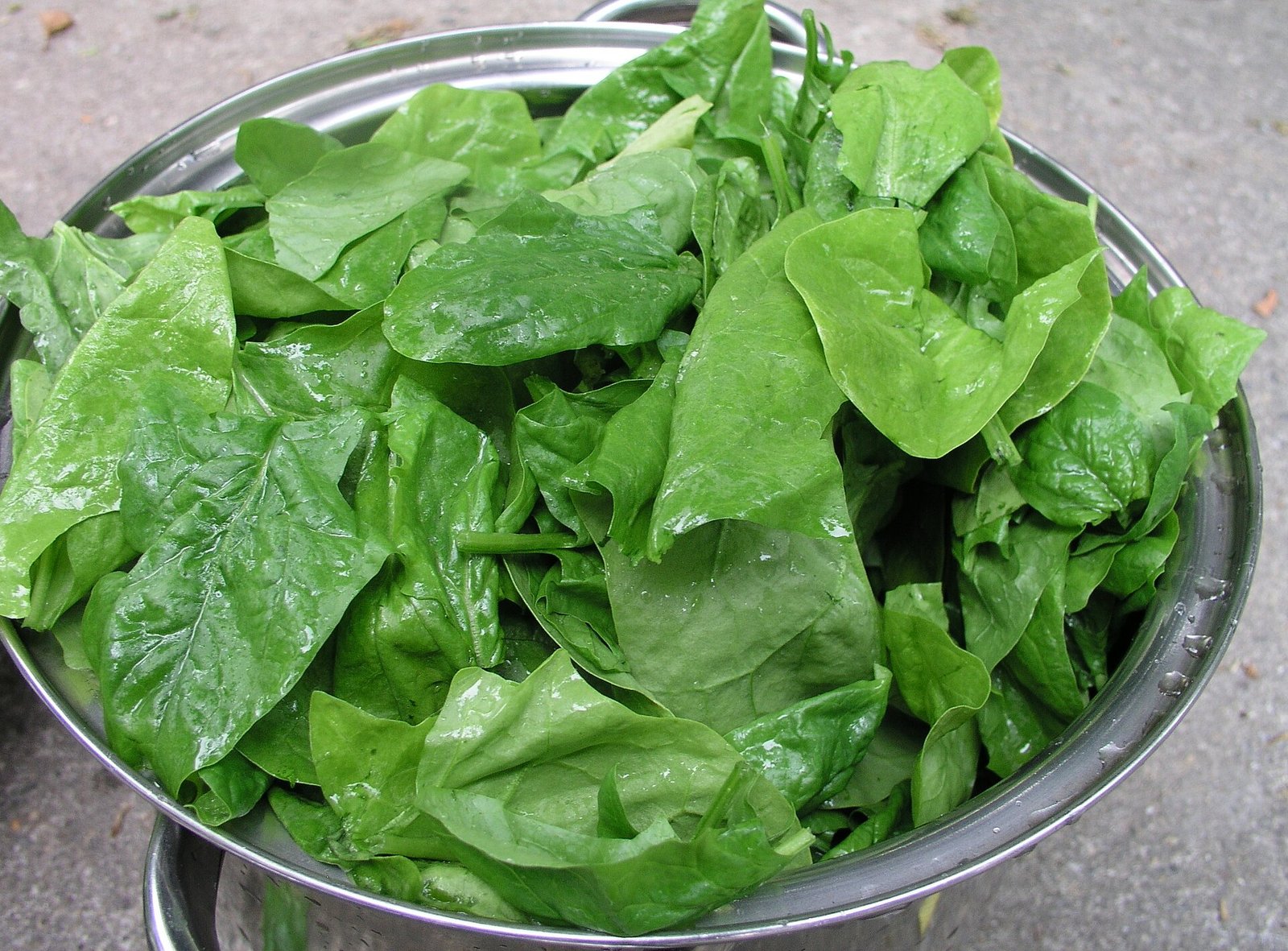
Tiny sensors help spot when plants get too much light
Scientists have improved a way to monitor how leaves respond to bright light. Tiny sensors and a reference sample helped reduce interference in the measurements.
Grades 5–8 Grades 9–11
Chemical “Bridges” Helped a Battery Material Withstand 800 Charges
Scientists linked two materials with chemical “bridges.” They help preserve the material’s internal structure as the battery charges and discharges.
Grades 5–8 Grades 9–11
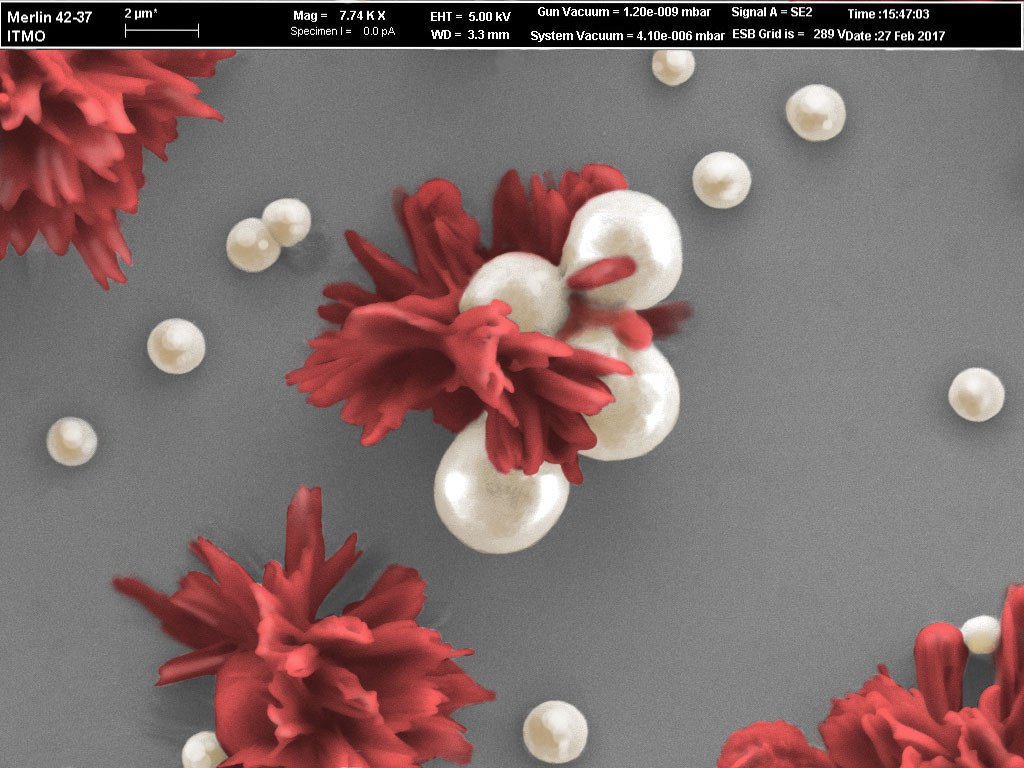
Tiny crystals assemble into zebra-like stripes
Researchers at Cornell University have discovered how to control patterns made of quantum dots. As liquid evaporates, these tiny crystals leave behind stripes, ribbons, and other patterns.
Grades 5–8 Grades 9–11
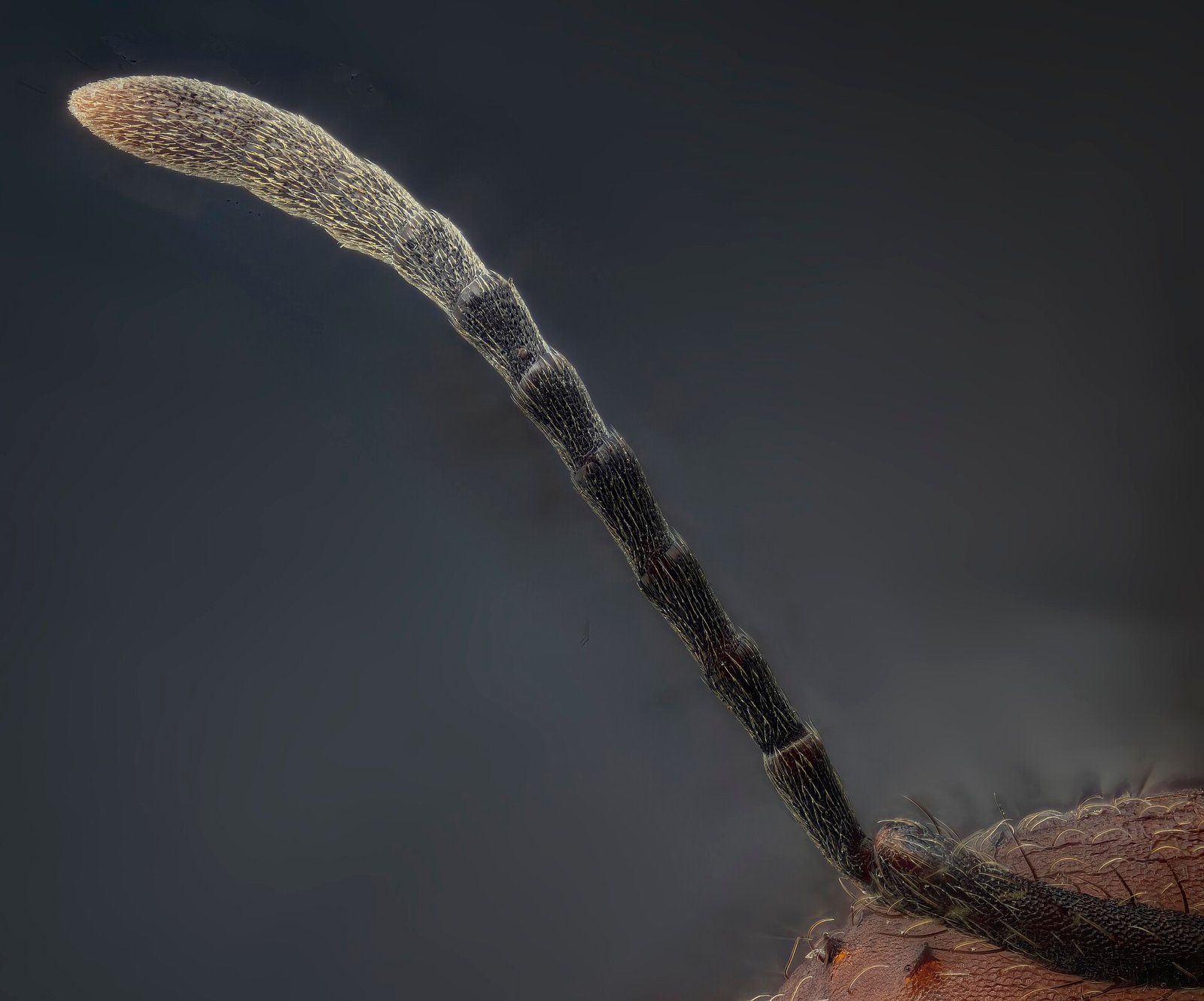
Robots get soft “antennae” that tell gases apart and sense wind
Scientists in China have created two soft “antennae” for robots. They tell gases apart while also measuring wind speed and direction.
Grades 5–8 Grades 9–11

How Tiny Threads Inside Fibers Share the Load
Scientists have learned to observe how a material’s fibers and the tiny threads inside them change when compressed. This will help them understand the structure of materials that distribute loads well.
Grades 5–8 Grades 9–11
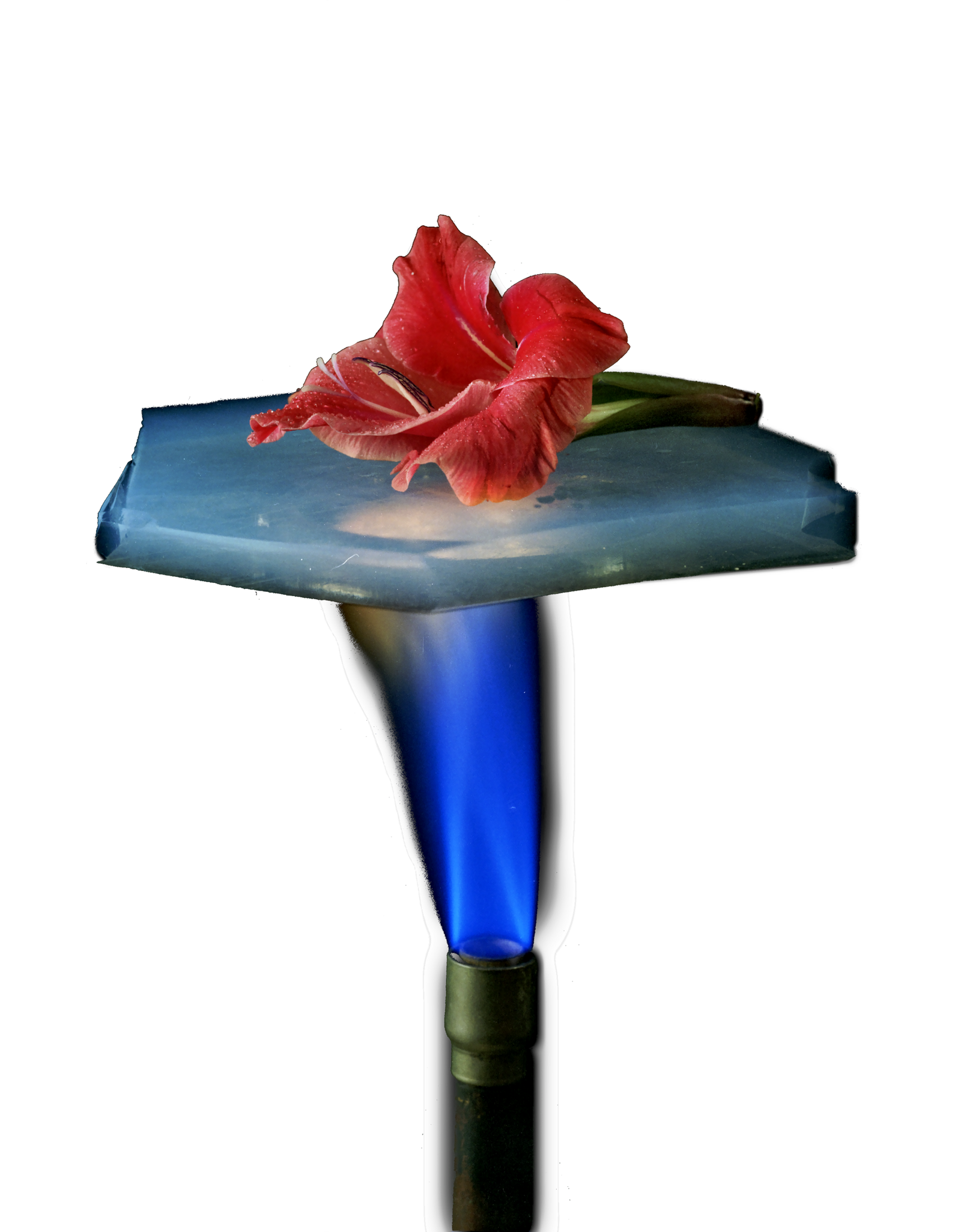
Porous Material Helps Cool Surfaces Without Electricity
Scientists in China have created a material that reflects sunlight and lets heat escape. In tests, it helped make a cooling coating 5.2 °C cooler.
Grades 5–8 Grades 9–11

A Diamond Tip Helped Change Metal Without Heating It
Scientists changed the internal structure of molybdenum at room temperature. To do this, they pressed a fine diamond tip into the metal—just a few nanometers deep.
Grades 5–8 Grades 9–11

Flexible Molecules Helped LEDs Glow Orange-Red
Researchers created flexible, metal-free molecules for organic LEDs. They emit orange-red light and open a new path to creating materials for screens.
Grades 5–8 Grades 9–11

Graphene Sponge Helped Batteries Deliver Energy Faster
Adding just 1% porous graphene improved the power output of batteries. At the same time, they kept their ability to store a lot of energy in a small volume.
Grades 5–8 Grades 9–11
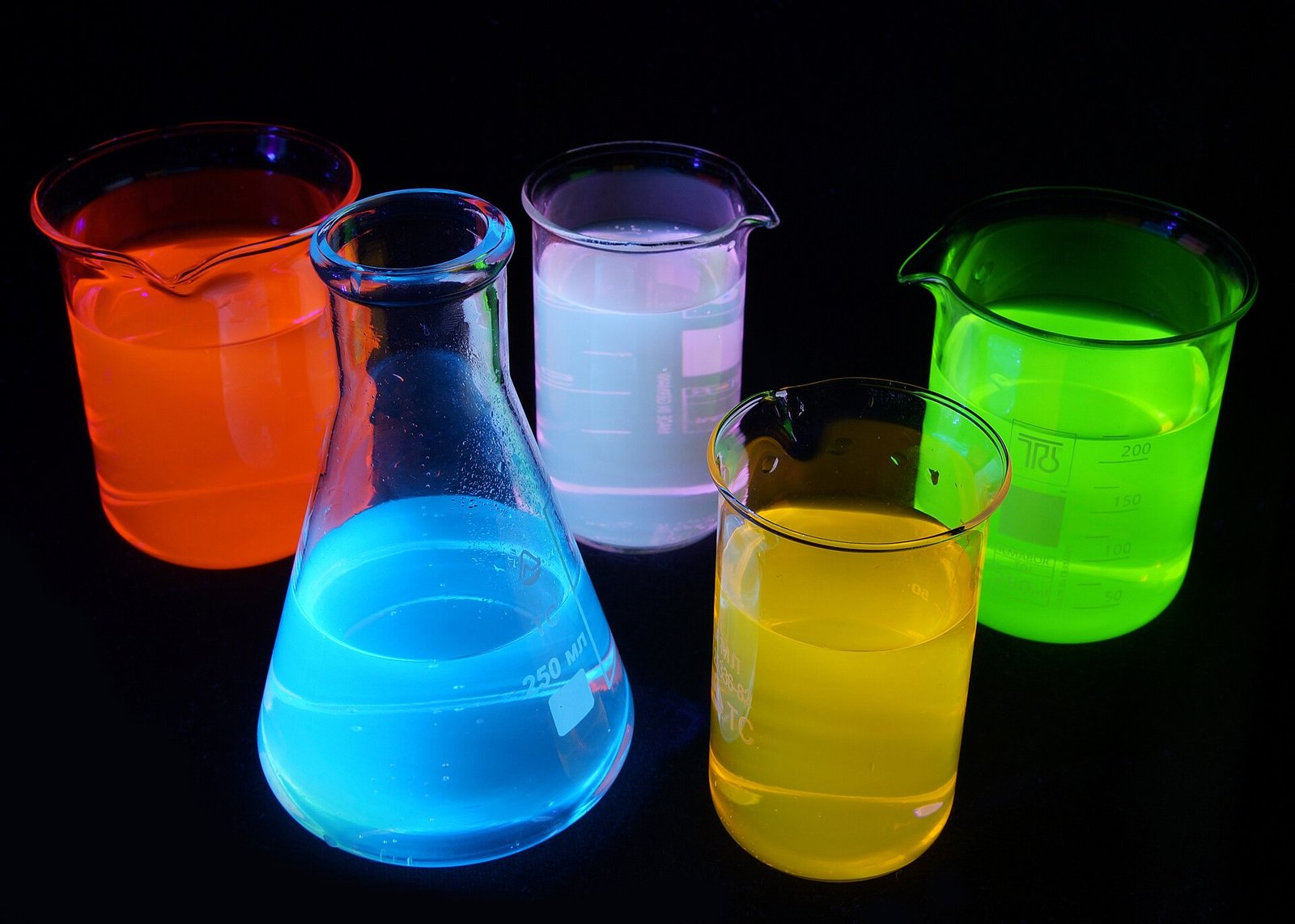
Carbon Nanodots Change Their Glow Color and Help Hide Information
Scientists have created tiny carbon particles that glow in different colors. The color can be changed using the liquid, its acidity, and the number of particles.
Grades 5–8 Grades 9–11

Scientists created a plant-based material that reflects more than 95% of light
The material made from plant substances consists of 100 extremely thin layers. It reflects light well and could someday be useful for windows that help keep homes cool in summer.
Grades 5–8 Grades 9–11

The Archimedes Screw Molecule: A Tiny Machine Powered by Electric Current
Scientists from several countries have created a molecular machine that works like an Archimedes screw. When the molecule spins fast enough, the electric current through it sharply increases, by about a hundredfold.
Grades 5–8 Grades 9–11
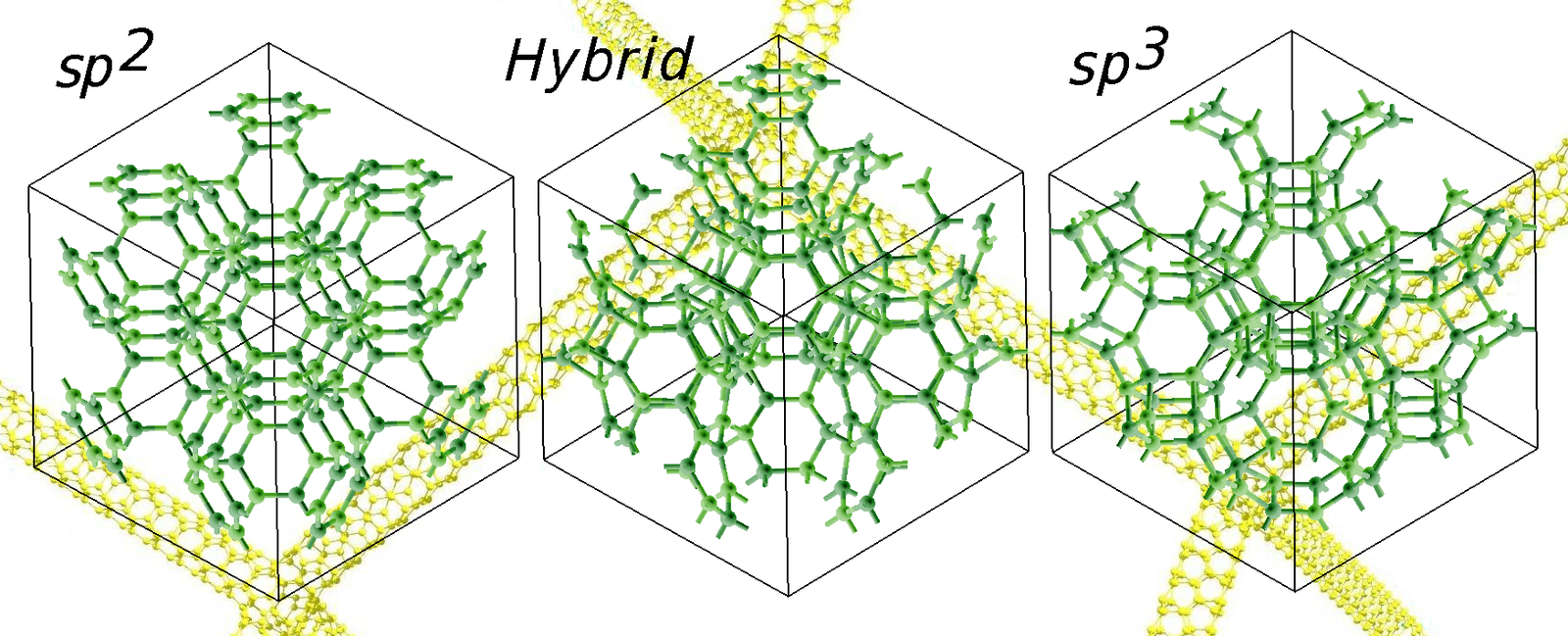
Sugar Helps Make Porous Carbon for Batteries
Scientists have learned to make a nanostructured carbon material from modified sugar alone. The new method is simpler and gentler than the old one.
Grades 5–8 Grades 9–11
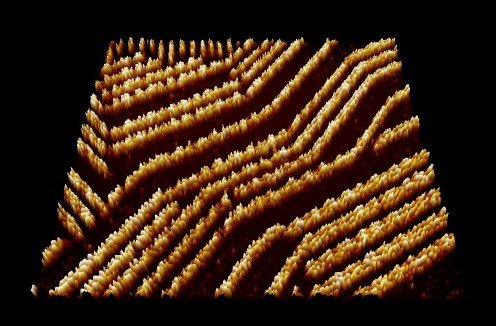
Light Helps Create New Organic Semiconductors
Scientists from Japan used light to create two new materials for electronics. They could be useful for flexible screens and wearable sensors.
Grades 5–8 Grades 9–11
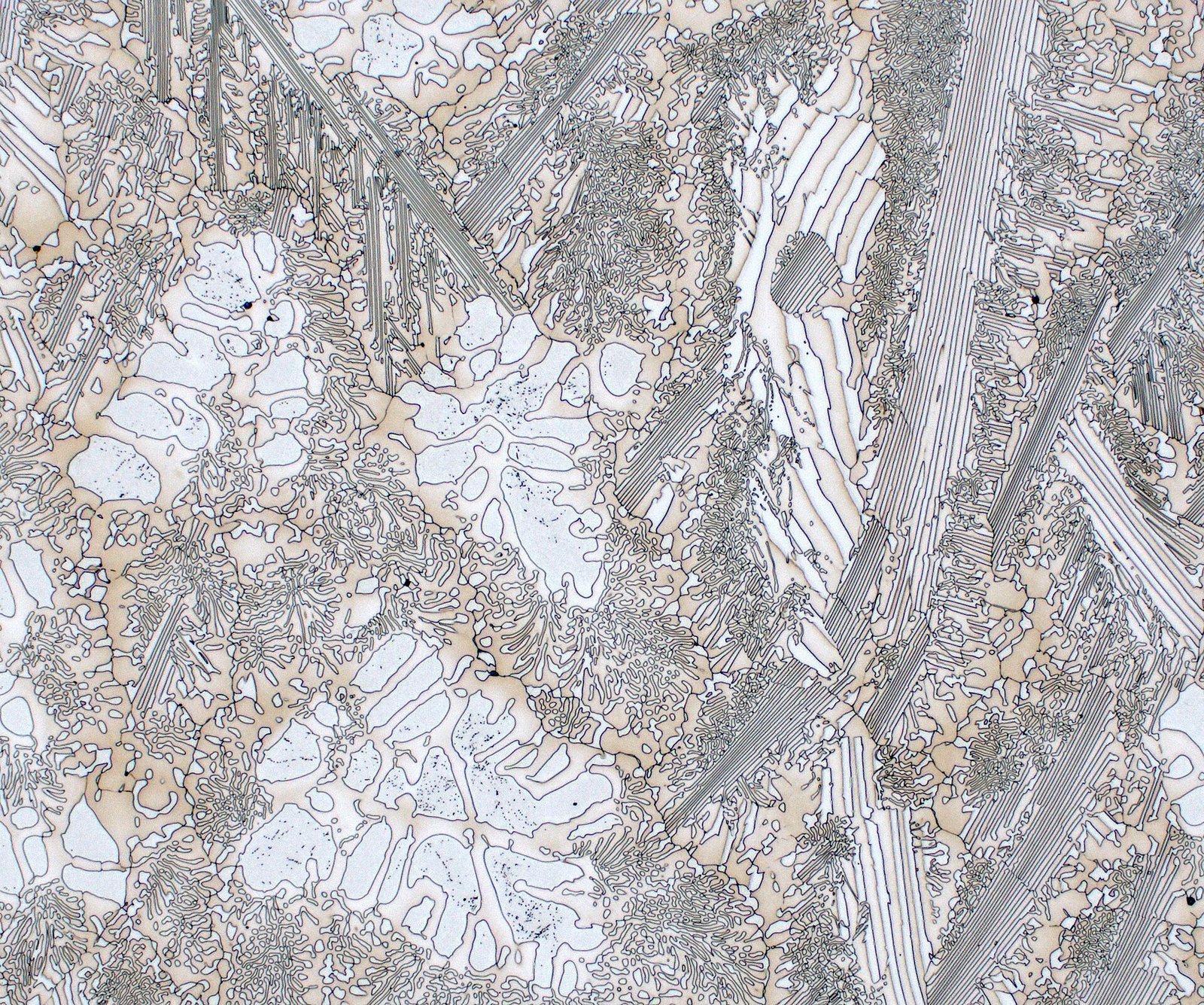
Scientists Turned Tiny Flaws in Atoms into a Way to Strengthen Metal
Scientists from Ohio State University in the USA made metal alloys stronger. They used tiny distortions inside the metal without changing its composition.
Grades 5–8 Grades 9–11
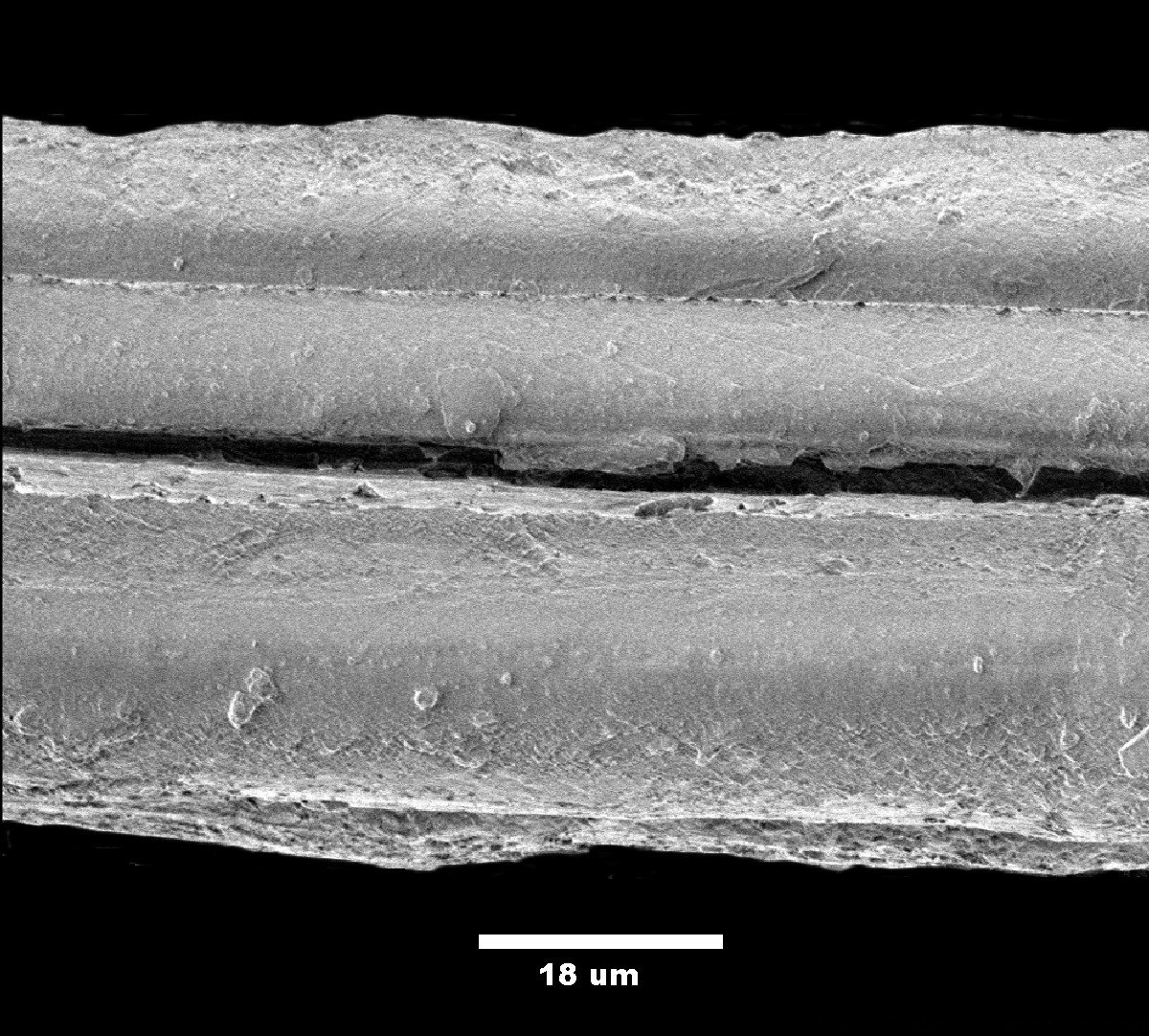
Plant-Fiber Film Cools Electronics Without Electricity or Water
Scientists have created a flexible film that cools electronics without electricity and without adding water. It pulls moisture from the air, and when the moisture evaporates, the device cools down.
Grades 5–8 Grades 9–11

Scientists Halve the Use of Expensive Metals to Produce Clean Hydrogen
Scientists have created a new catalyst that helps produce hydrogen from water. It contains almost half as many expensive rare metals as a regular catalyst.
Grades 5–8 Grades 9–11

Fullerenes and Nanotubes: How Carbon Assembles Itself into Tiny Shapes
Carbon can form many different tiny structures: sheets of graphene, tubes, and ball-shaped fullerenes. All of them are made of the same atoms, but they behave in completely different ways.
Grades 5–8 Grades 9–11
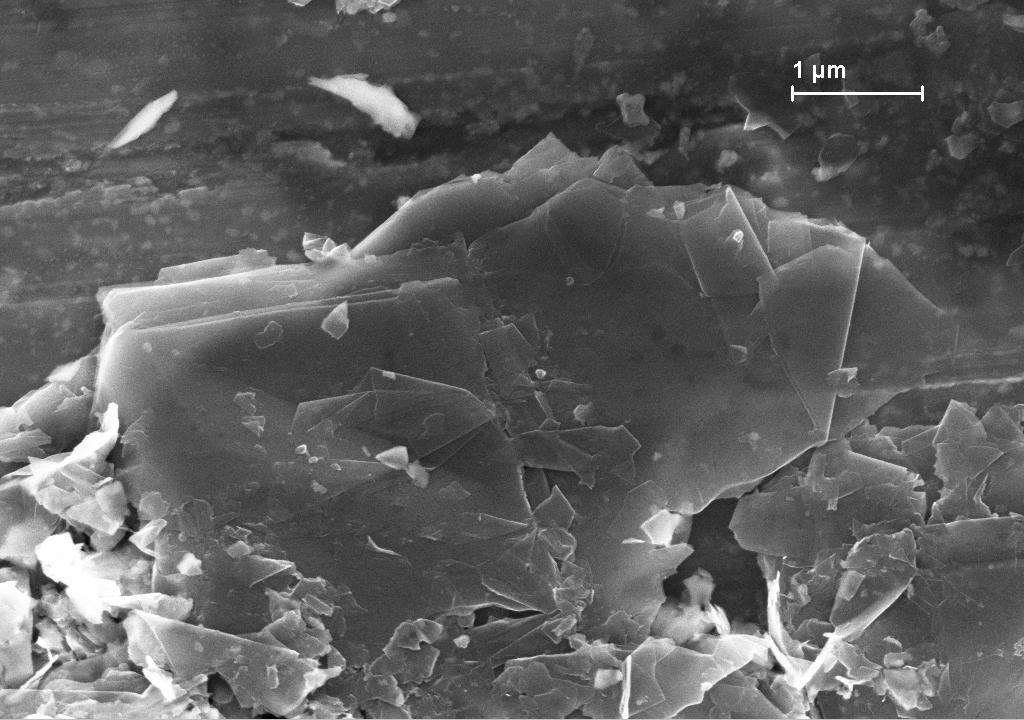
Graphite and Graphene: One Substance with Different Properties
Graphite, diamond, and graphene are made of the same element, carbon, but they look and behave differently. Let's find out why this happens and what scientists have learned about the forms of carbon.
Grades 5–8 Grades 9–11
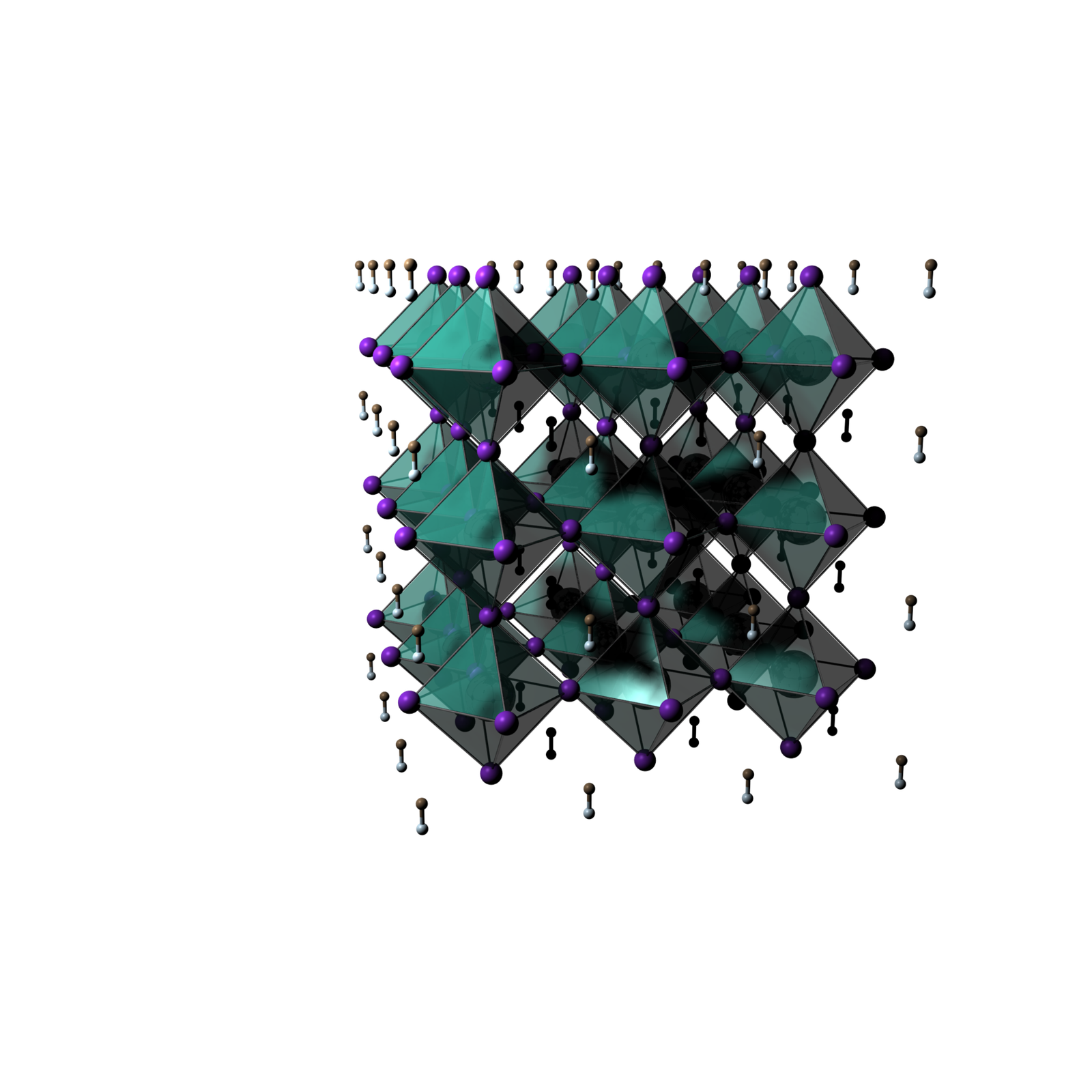
New Material Glows Brighter Than Scientists Expected
Scientists measured for the first time how well chalcogenide perovskites emit light. It turned out that they glow far more efficiently than expected.
Grades 5–8 Grades 9–11

Super-Light Material Is Made from Vapor, Without Liquid
Scientists from Taiwan figured out how to make aerogels using only gas. The new method does not require liquid substances.
Grades 5–8 Grades 9–11
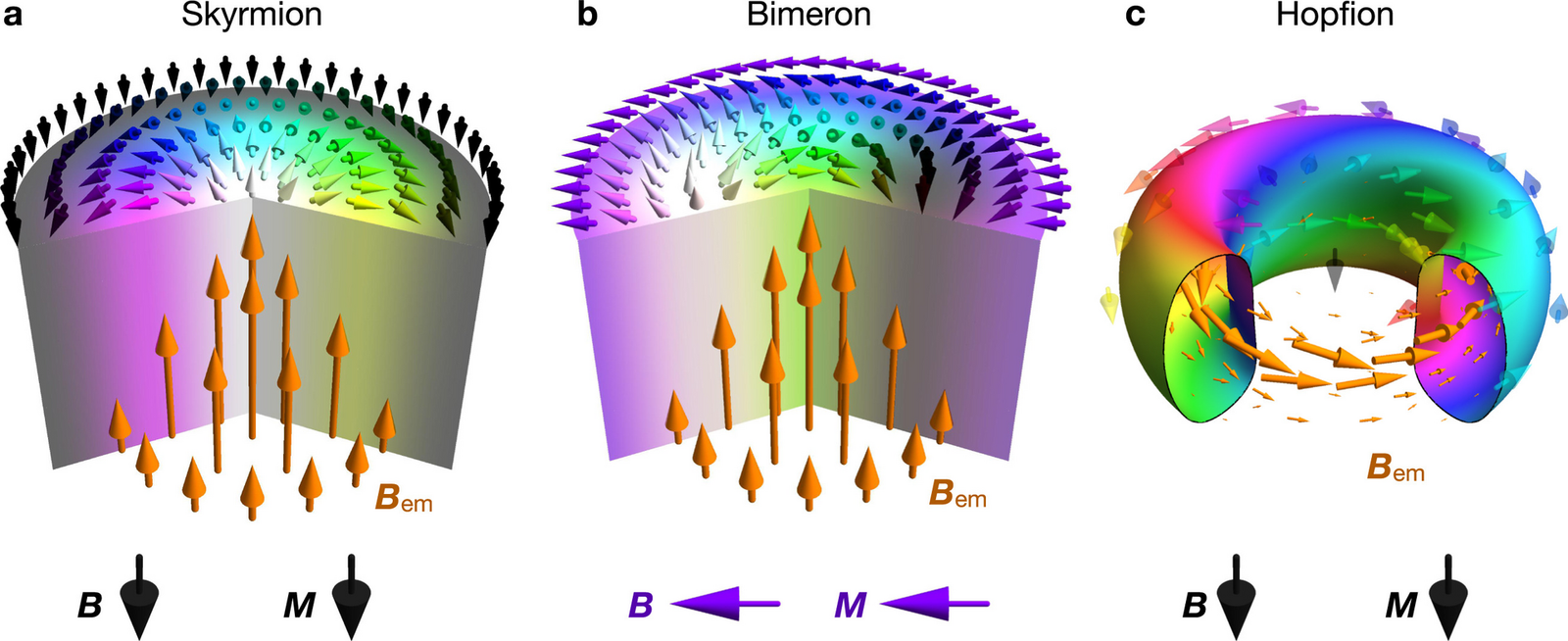
Light Can Guide Magnetic Skyrmions
Scientists have found that an optical skyrmion, that is, a pattern of light, can change the path of a magnetic skyrmion in a thin magnetic film. They showed this with computer simulations.
Grades 5–8 Grades 9–11

How to Use Nanobotik in Class
How the site works, what is useful in class and in after-school activities, and ready-made lesson ideas for Grades 1–4, 5–8 and 9–11: experiments, an image gallery, career guidance and projects.
Grades 1–4 Grades 5–8 Grades 9–11
Open Nano Materials: Where to Find Them and How to Credit the Authors
NISE Network, PhET, UW–Madison MRSEC, NanoSense, the "Atlas of Emerging Jobs," Wikimedia Commons: what you can use for lessons, what the letters BY, NC, SA, and ND mean, and how to credit the authors correctly.
Grades 1–4 Grades 5–8 Grades 9–11
Rainbow Film: Nanometers You Can See with Your Own Eyes
A soap bubble shimmers with color without any paint. Its colors hint at the thickness of the film — hundreds of nanometers. Two experiments: a soap film on a glass and a rainbow made of nail polish on black paper.
Grades 5–8 Grades 9–11
Growing Salt Crystals: Building from the Bottom Up
Grains of salt are tiny cubes. Let's grow crystals on a string and find out how particles arrange themselves into a perfect order. This is how nanotechnology builds "from the bottom up."
Grades 1–4 Grades 5–8
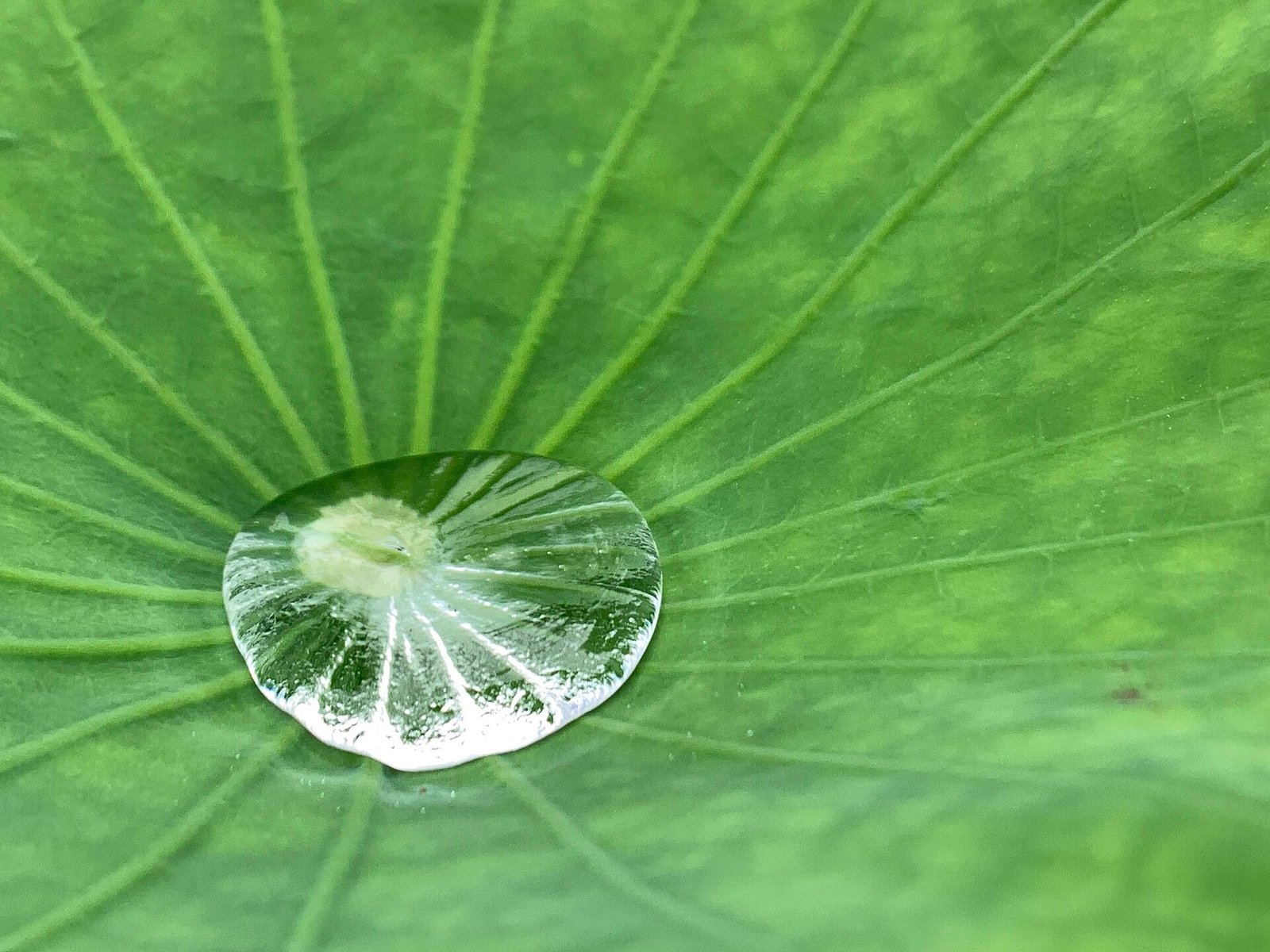
The Lotus Effect: Ball-Shaped Drops on a Cabbage Leaf
Why is a lotus always clean even though it grows in a muddy pond? Let's recreate its secret in the kitchen with a cabbage leaf, water and a pinch of pepper.
Grades 1–4 Grades 5–8
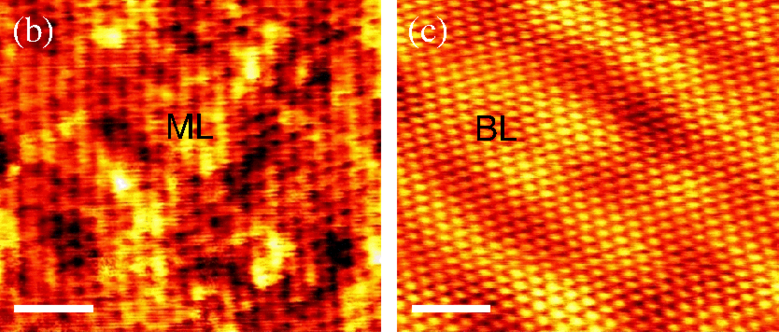
How to See an Atom
Atoms are a thousand times smaller than what an ordinary microscope can show. Scientists figured out how to see them anyway: not by looking, but by feeling with a thin needle. Try it yourself — in the “Black Box” experiment.
Grades 1–4 Grades 5–8
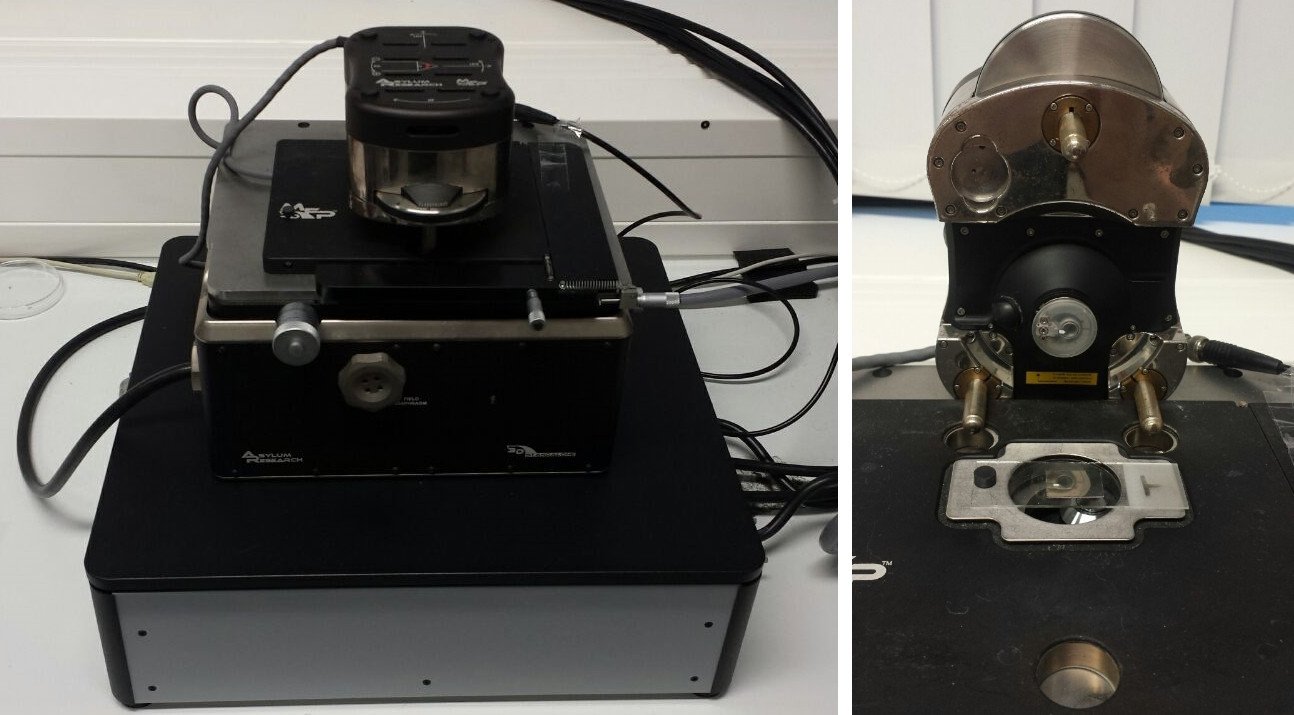
How an Atomic Force Microscope Works
A flexible little beam with a needle, a laser, and an "altitude autopilot": let's find out how an atomic force microscope draws a map of a surface and why it can see even DNA and living cells.
Grades 5–8 Grades 9–11
Materials Scientist: An Inventor of New Materials
Plastic, glass, steel, the fabric of your jacket — someone invented each of these materials and learned how to make it. Let's meet materials scientists and the professions of the future from the "Atlas of New Professions."
Grades 1–4 Grades 5–8
A Researcher at a Scanning Probe Microscope
People take the images of atoms, molecules, and cells. What a day is like for a researcher who works with atomic force and tunneling microscopes, and what it takes to become this kind of specialist.
Grades 5–8 Grades 9–11

Nanomaterials Process Engineer
A scientist discovers a new material in the lab, and a process engineer turns the discovery into reliable production. What this engineer does, what to study in school, and where to learn this profession.
Grades 5–8 Grades 9–11


 I’m offended. Let’s talk tomorrow.