

Porous Material Helps Cool Surfaces Without Electricity
Scientists in China have created a material that reflects sunlight and lets heat escape. In tests, it helped make a cooling coating 5.2 °C cooler.
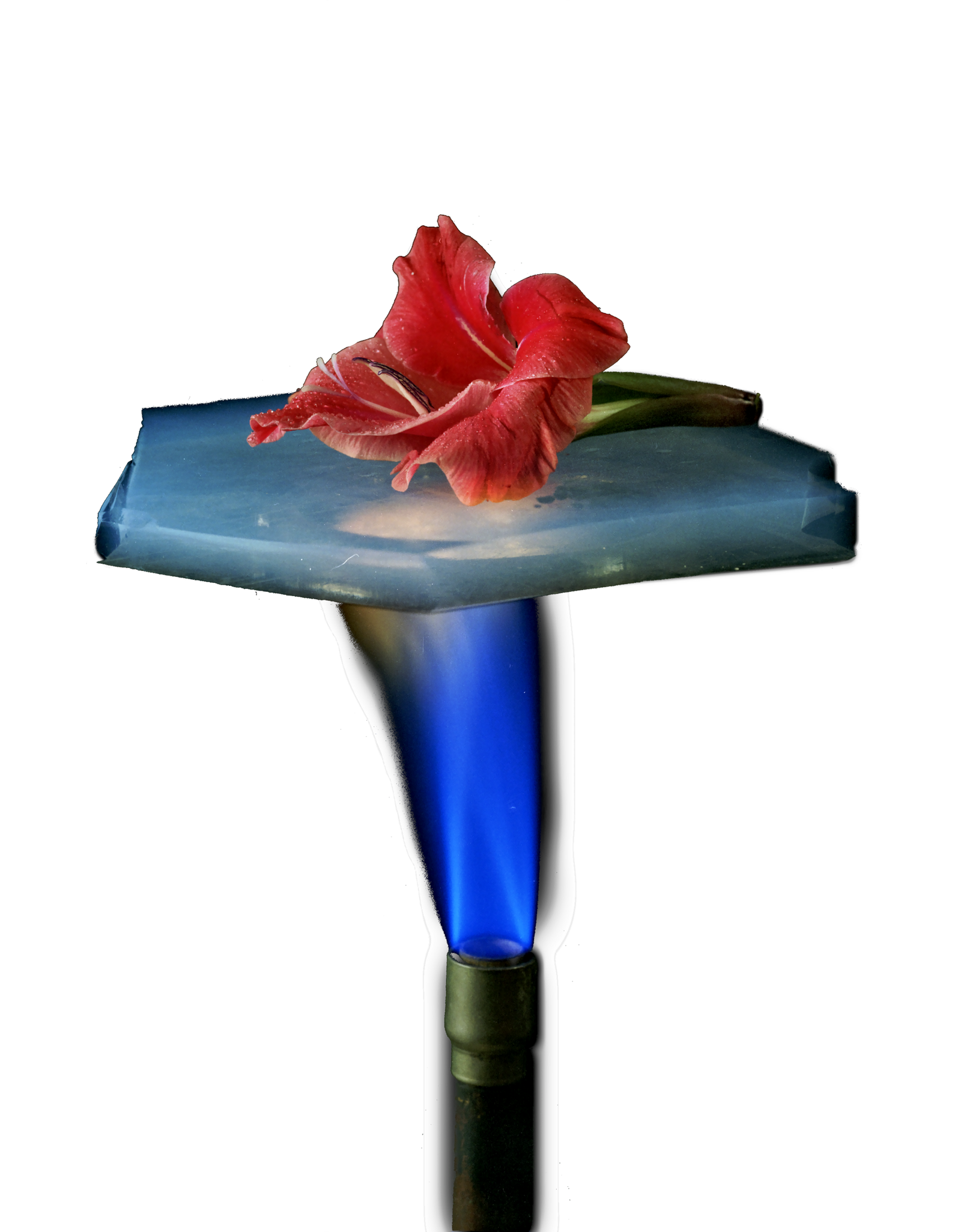
Photo: NASA/JPL, Public domain, Wikimedia Commons
Scientists at City University of Hong Kong and Xi’an Jiaotong University in China have created a white aerogel. This is a porous material with many tiny empty spaces inside. They made it from plastic and placed it on top of a cooling coating. The new layer is designed to improve surface cooling without using electricity.
The material works in two ways at once. It reflects 96.6% of solar radiation, helping protect the surface from heating up in the sun. At the same time, it lets infrared radiation pass through—invisible radiation that carries heat away. Within a certain range, the material lets up to 94.5% of this radiation pass through. This allows heat to escape from the surface beneath it.
The researchers carried out tests in Hong Kong and Abu Dhabi. In Hong Kong, the cooling coating with the new layer was up to 5.2 °C cooler than the same coating without it. What matters here is that the comparison was between two versions of the coating. The result shows the benefit of adding the porous material on top.
The scientists also tested how long the material keeps its properties. After 75 days of exposure to radiation at a temperature of 40 °C, its ability to reflect sunlight and let thermal radiation pass through barely changed. Besides the white version, the researchers made red, yellow, and blue versions. These versions also kept their working properties.
Sources
- Аэрогель помогает охлаждать поверхности без электричества — Nanowerk (Retold with a link)
- Aerogelflower (highres-version-edit).png — NASA/JPL (Public domain)


 I’m offended. Let’s talk tomorrow.