

Knowledge Base
Articles about nanotechnology with links to scientific sources.

The Electron Microscope: How We Study the Nanoworld
An electron microscope helps us see details that are too small for a light microscope. It is used to study the surface and internal structure of materials, and sometimes even to cut off and move tiny parts of a sample.
Grades 5–8 Grades 9–11

Contact Angle: What a Drop’s Shape Tells Us About a Surface
Water on a surface can spread out or gather into a rounded drop. The contact angle helps us understand this: it shows what shape a drop takes where it touches the surface.
Grades 5–8 Grades 9–11

Fullerenes and Nanotubes: How Carbon Assembles Itself into Tiny Shapes
Carbon can form many different tiny structures: sheets of graphene, tubes, and ball-shaped fullerenes. All of them are made of the same atoms, but they behave in completely different ways.
Grades 5–8 Grades 9–11
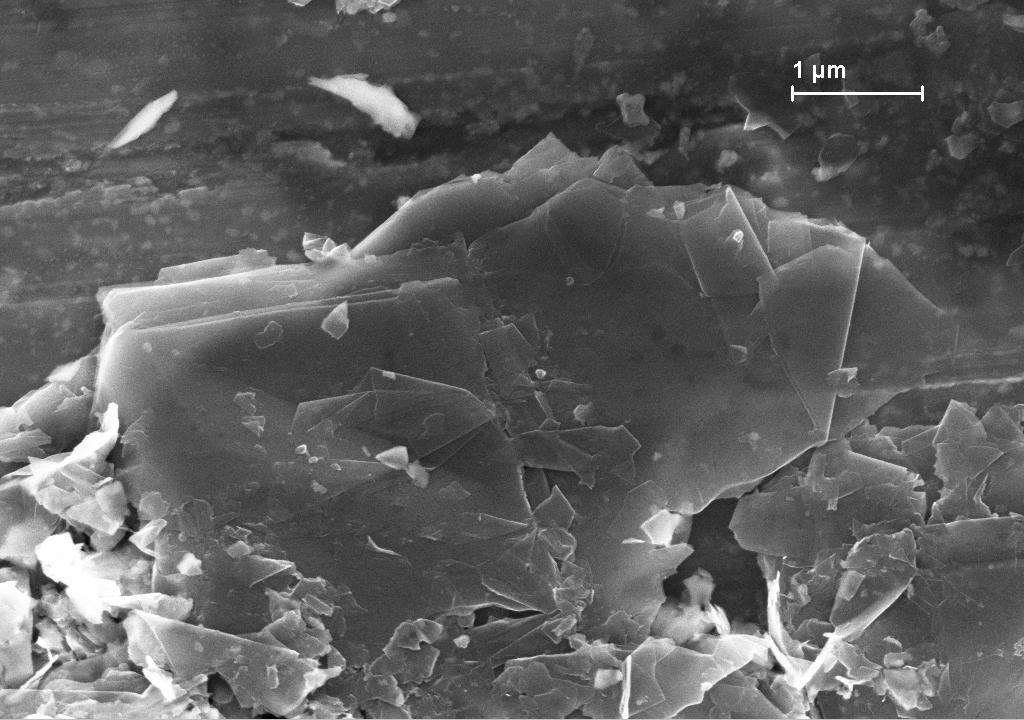
Graphite and Graphene: One Substance with Different Properties
Graphite, diamond, and graphene are made of the same element, carbon, but they look and behave differently. Let's find out why this happens and what scientists have learned about the forms of carbon.
Grades 5–8 Grades 9–11


 I’m offended. Let’s talk tomorrow.