News
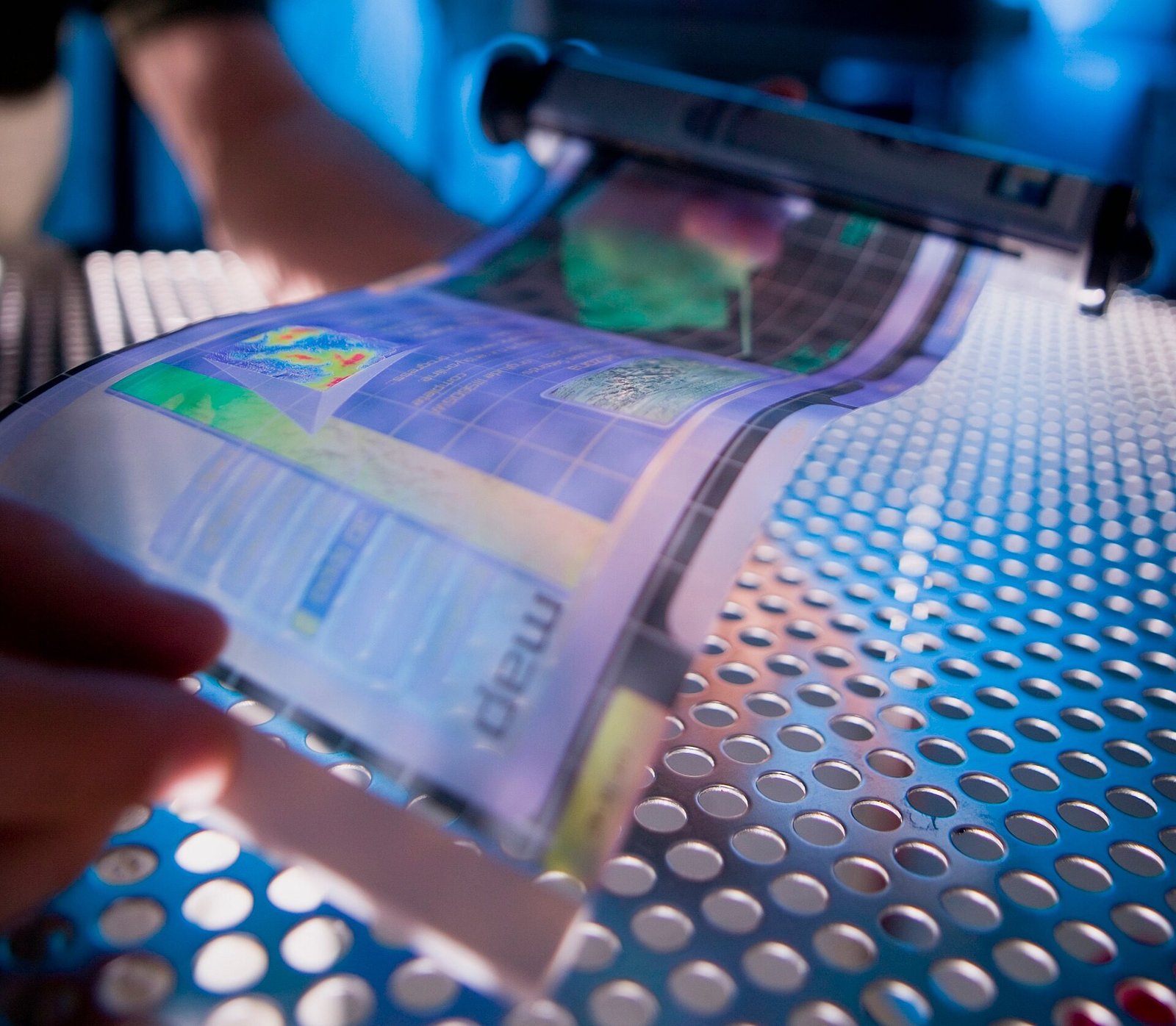
Scientists in China have created protective films that can be folded repeatedly. They can be made with an area of about one square meter.

News
Researchers at Harvard have created two layers of tiny pillars that reduce unwanted light reflection. This structure will help flat lenses work more efficiently.
News
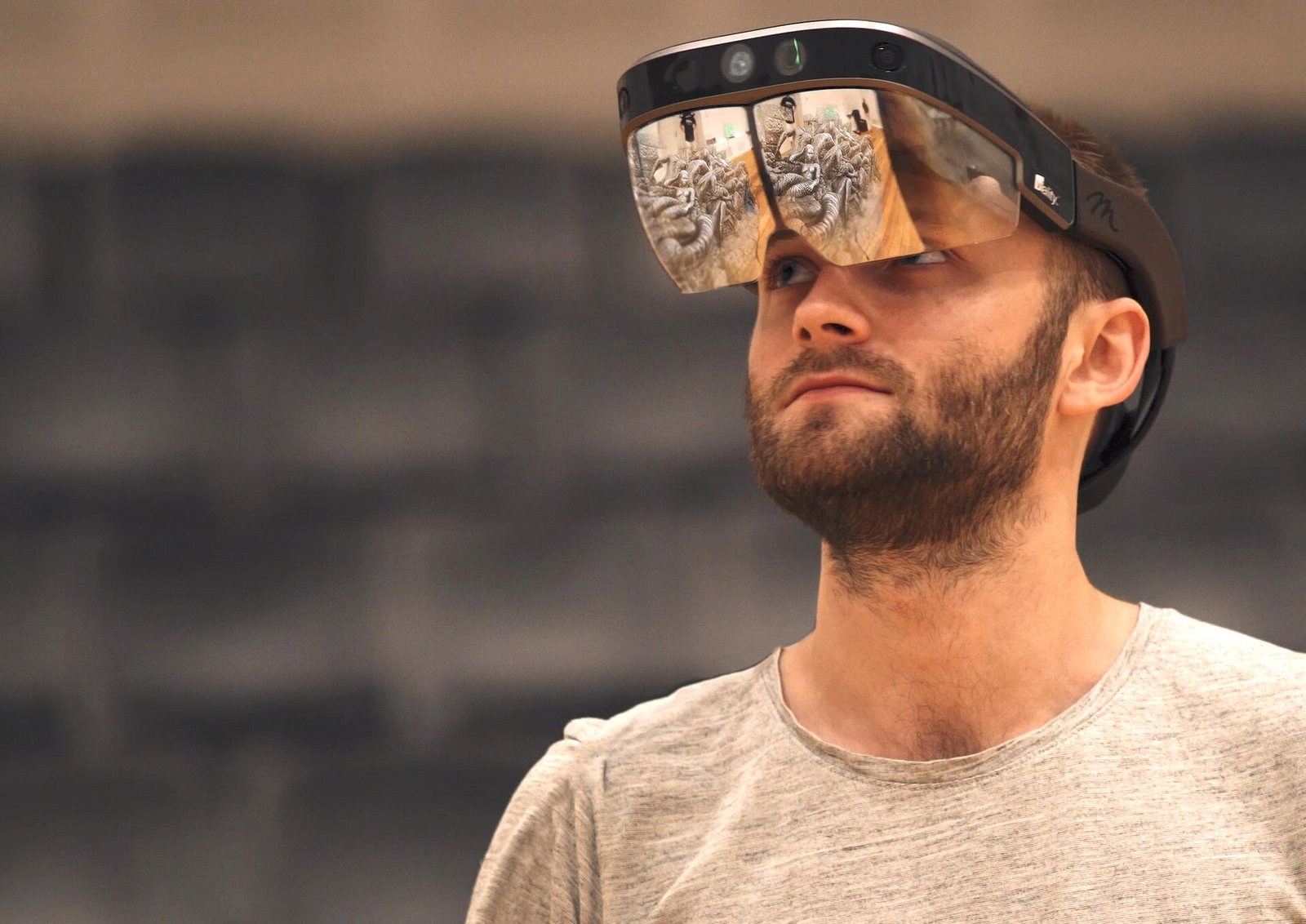
Researchers in South Korea have created a thin component for glasses that add images to the world around you. It helps reduce light loss and keep images bright as the eye moves.
News
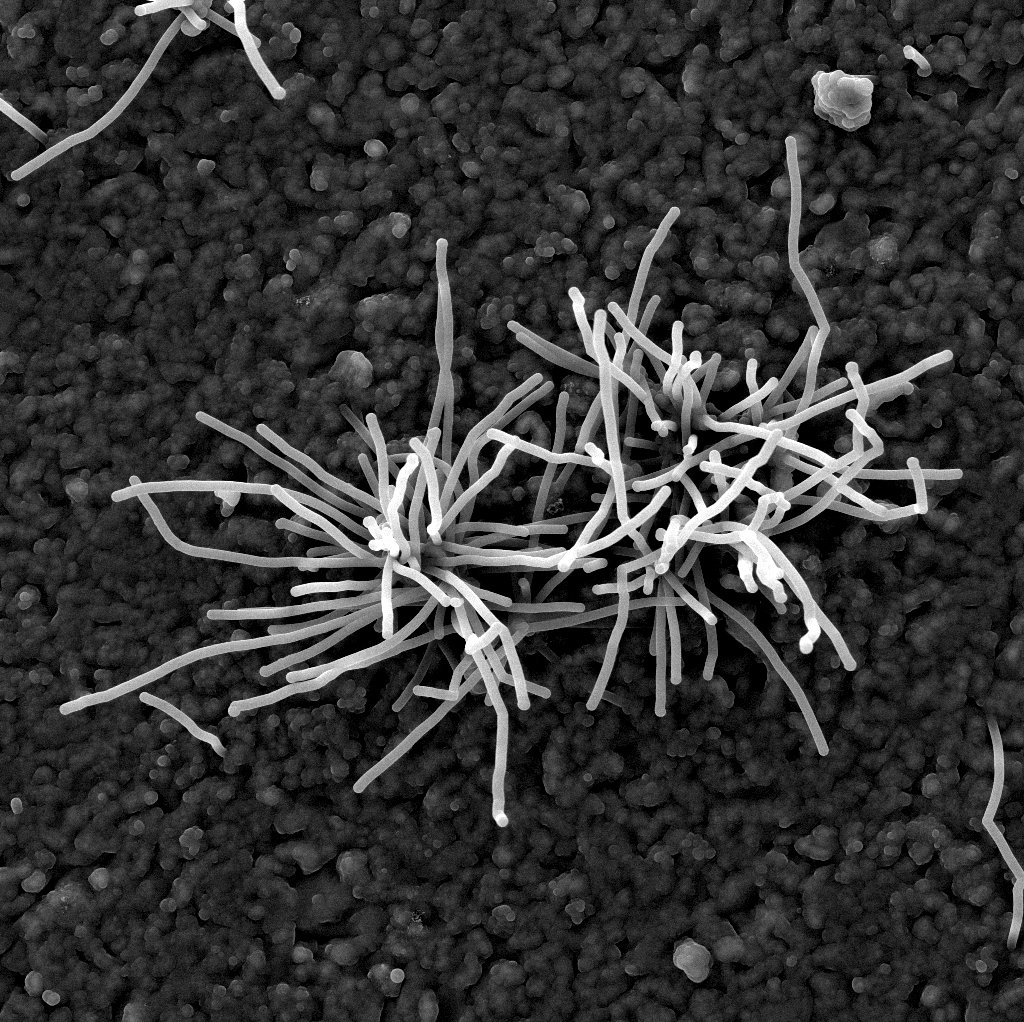
Scientists created a powder containing carbon nanotubes for joining lightweight parts. With it, the required temperature was reached 57% faster, and the joint strength increased by 30.8%.
News
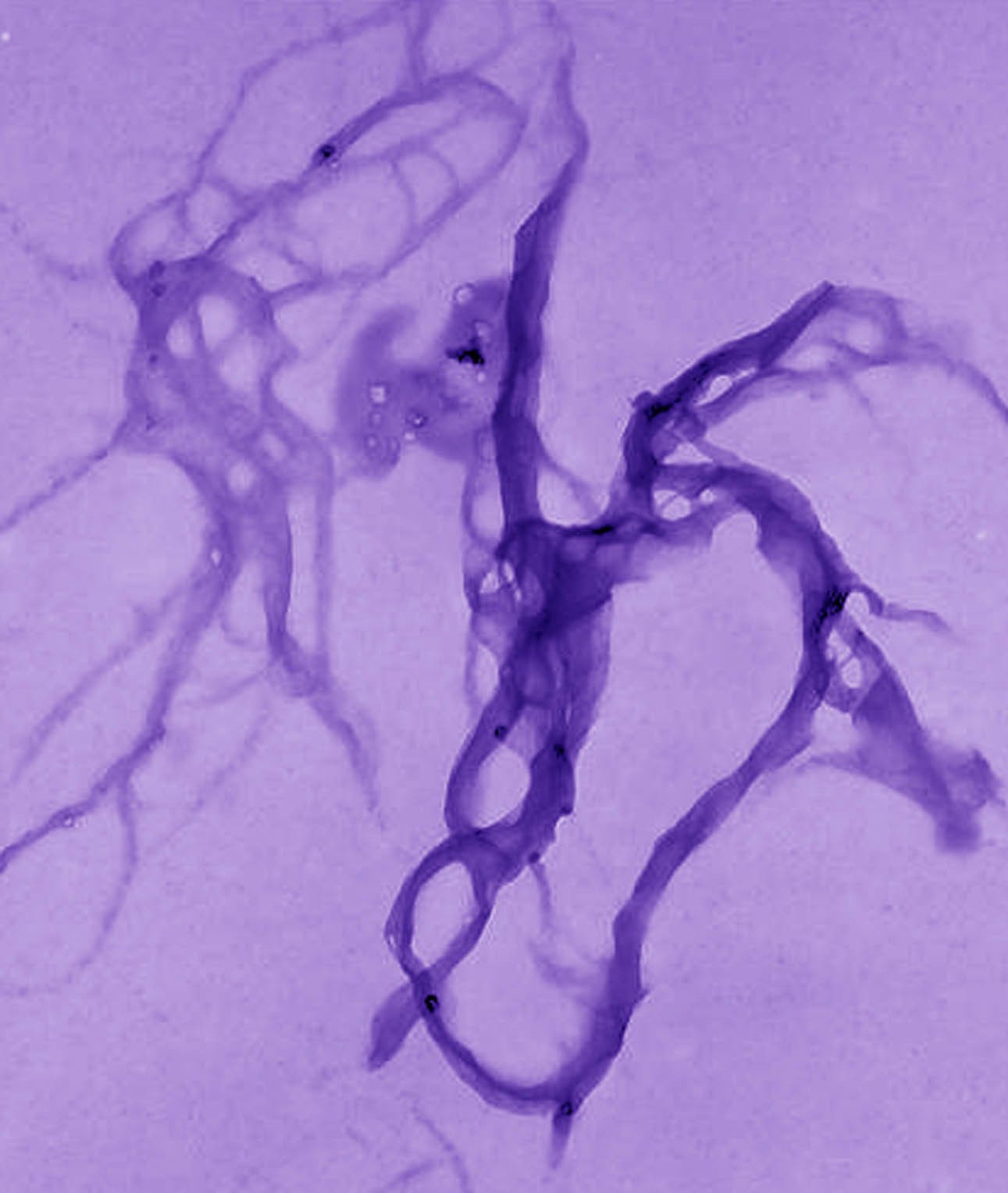
Scientists in Japan have created a conductive mesh directly on the skin. It lets air through, follows the body's curves, and makes it possible to build sensors that help a computer recognize gestures.

News
Scientists have found that a change at one tiny point on an ultrathin sheet of MXene can spread farther. They also studied how a single layer of this material stores hydrogen.





 I’m offended. Let’s talk tomorrow.