

Nano Explorer
Grades 1–4

How to Use Nanobotik in Class
How the site works, what is useful in class and in after-school activities, and ready-made lesson ideas for Grades 1–4, 5–8 and 9–11: experiments, an image gallery, career guidance and projects.
Grades 1–4 Grades 5–8 Grades 9–11
Open Nano Materials: Where to Find Them and How to Credit the Authors
NISE Network, PhET, UW–Madison MRSEC, NanoSense, the "Atlas of Emerging Jobs," Wikimedia Commons: what you can use for lessons, what the letters BY, NC, SA, and ND mean, and how to credit the authors correctly.
Grades 1–4 Grades 5–8 Grades 9–11
Growing Salt Crystals: Building from the Bottom Up
Grains of salt are tiny cubes. Let's grow crystals on a string and find out how particles arrange themselves into a perfect order. This is how nanotechnology builds "from the bottom up."
Grades 1–4 Grades 5–8
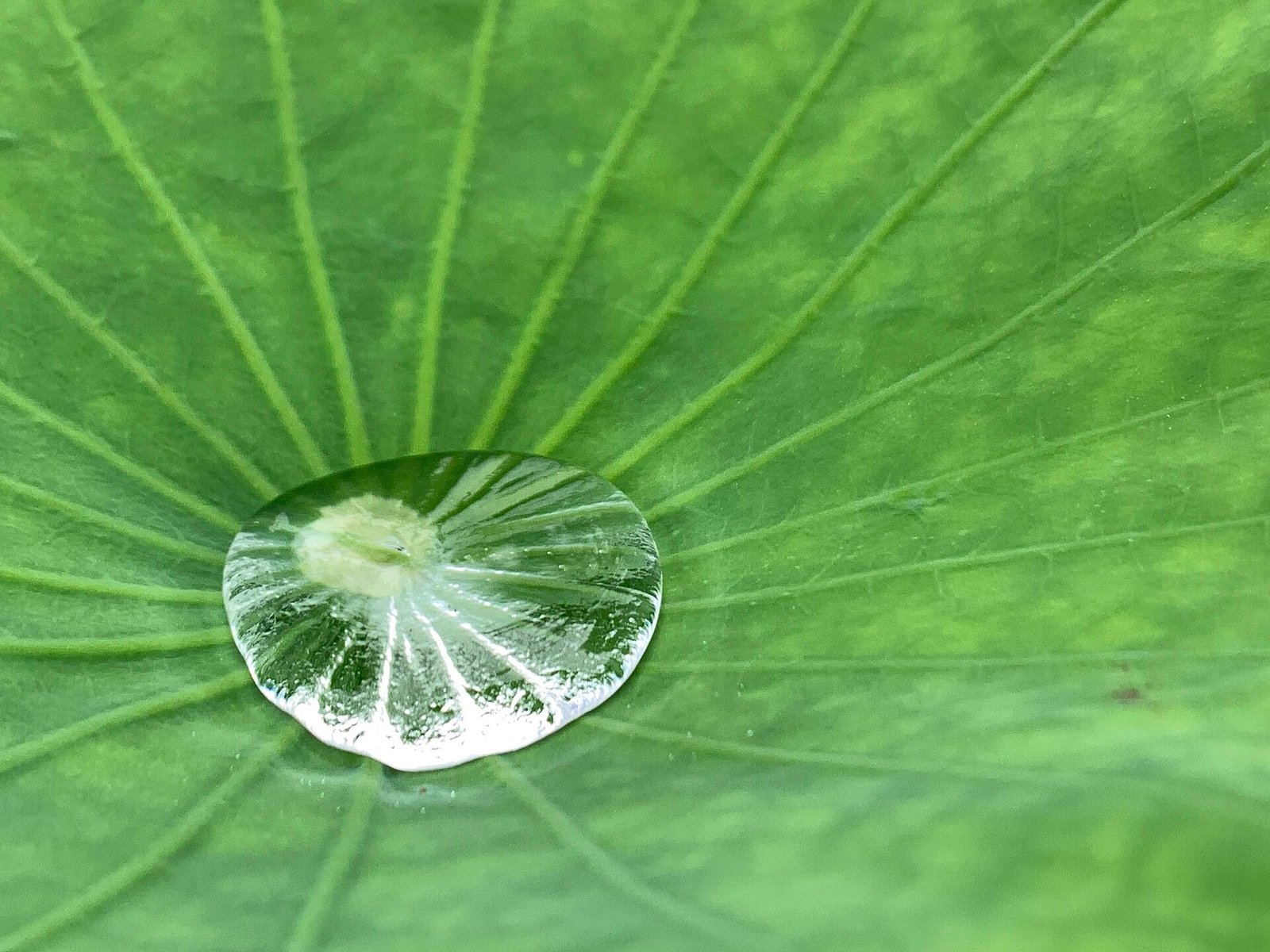
The Lotus Effect: Ball-Shaped Drops on a Cabbage Leaf
Why is a lotus always clean even though it grows in a muddy pond? Let's recreate its secret in the kitchen with a cabbage leaf, water and a pinch of pepper.
Grades 1–4 Grades 5–8
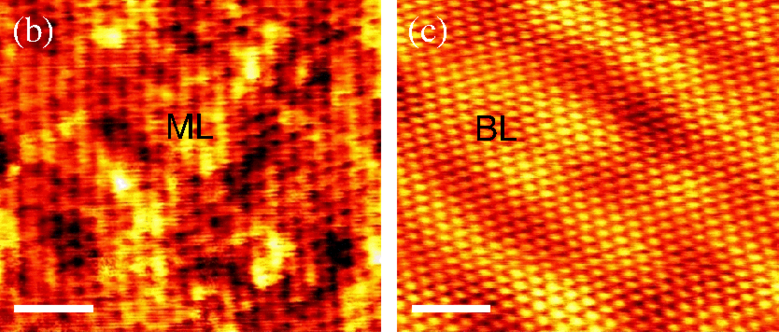
How to See an Atom
Atoms are a thousand times smaller than what an ordinary microscope can show. Scientists figured out how to see them anyway: not by looking, but by feeling with a thin needle. Try it yourself — in the “Black Box” experiment.
Grades 1–4 Grades 5–8
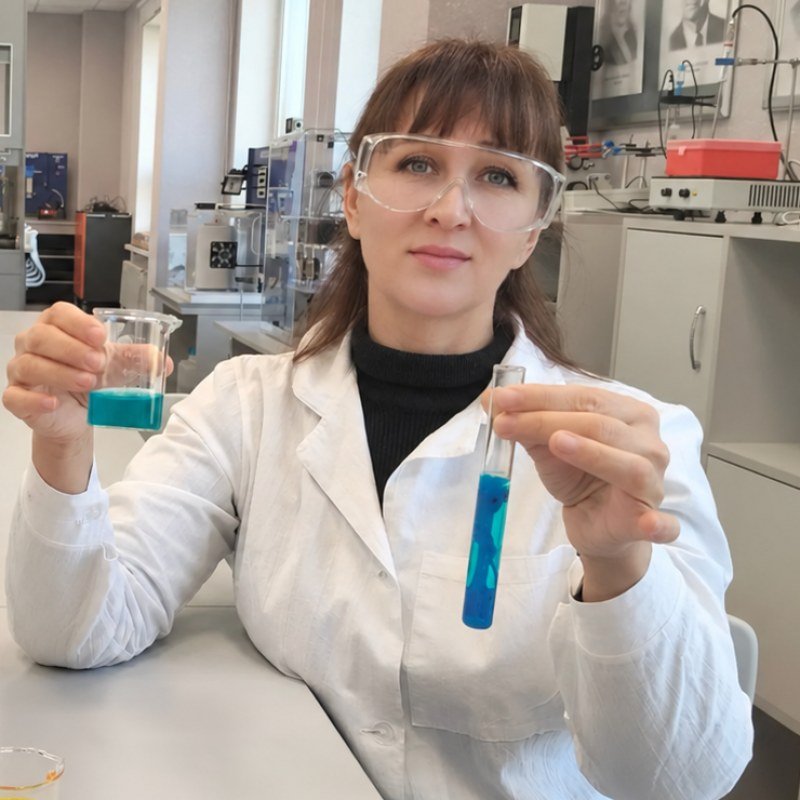
Materials Scientist: An Inventor of New Materials
Plastic, glass, steel, the fabric of your jacket — someone invented each of these materials and learned how to make it. Let's meet materials scientists and the professions of the future from the "Atlas of New Professions."
Grades 1–4 Grades 5–8


 I’m offended. Let’s talk tomorrow.