

Plant-Fiber Film Cools Electronics Without Electricity or Water
Scientists have created a flexible film that cools electronics without electricity and without adding water. It pulls moisture from the air, and when the moisture evaporates, the device cools down.
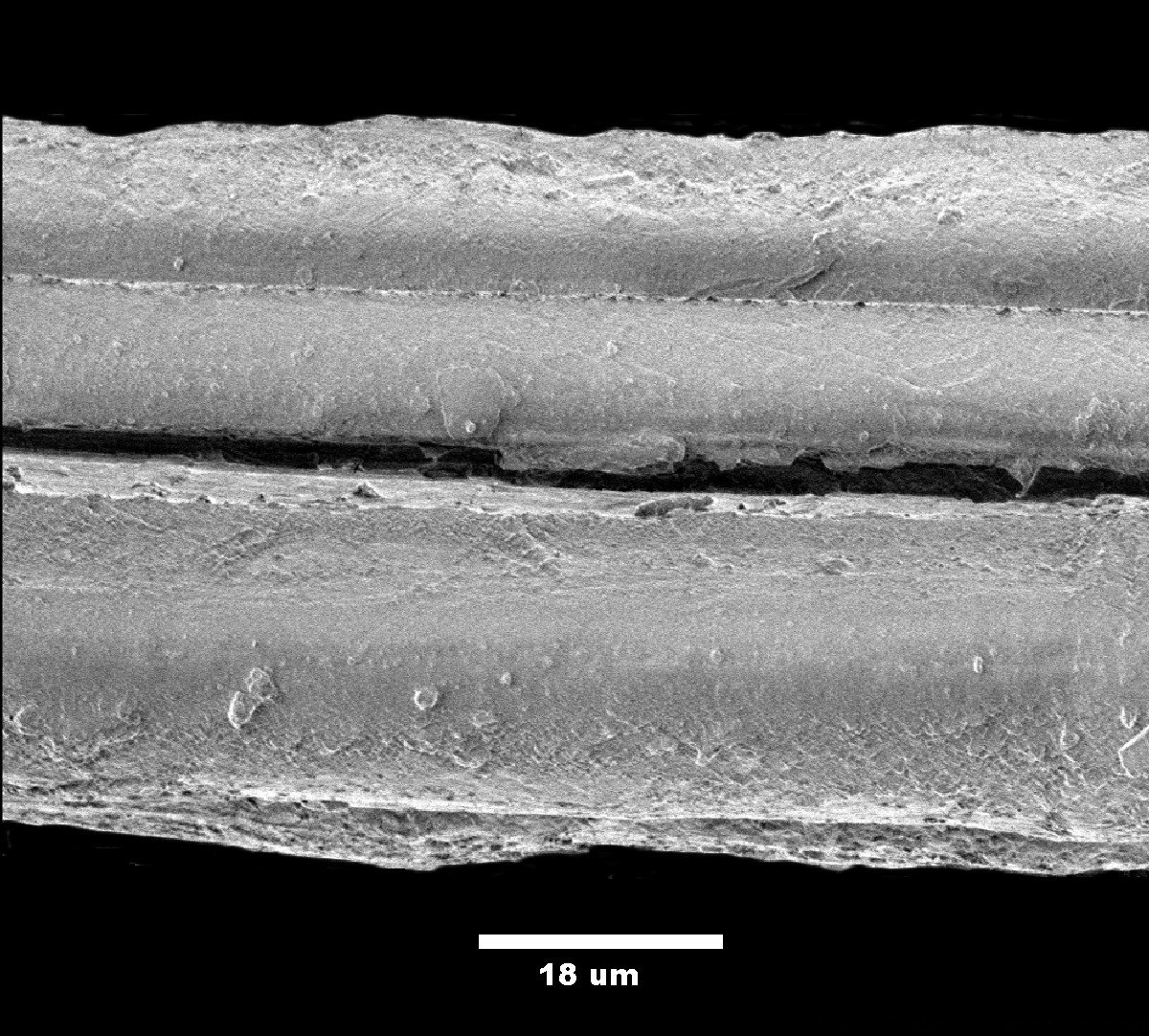
Photo: division, CSIRO, CC BY, Wikimedia Commons
Scientists from the Korea Institute of Science and Technology (DGIST) have created a thin, flexible film. It helps cool electronics without electricity and without adding water.
The film is made from nanocellulose. Nanocellulose is very thin fibers that are obtained from plants. Special that strongly attract moisture were added to the material.
The film absorbs moisture from the air. Then the moisture evaporates, and the surface becomes cooler. In this way, the device cools itself, without pumps or fans.
Previously, similar materials were rigid . They did not stick well to electronics and could corrode metal. The new film is flexible and sticky even when dry. It fits tightly to metal, glass, and microchip parts, and it can be applied directly to a device.
In tests during long operation of electronics, the surface temperature dropped by 18.2 degrees: from 72.3 °C to 54.1 °C. The cooling lasted for more than 12 hours. Scientists think this technology could help cool powerful computer centers, phones, and electric vehicle batteries. The results are described in the journal Small Structures.
Related lessons
Sources
- Nanocellulose film cools electronics without electricity or added water — Nanowerk (Retold with a link)
- CSIRO ScienceImage 7231 Flax fibre.jpg — division, CSIRO (CC BY)


 I’m offended. Let’s talk tomorrow.