

Tiny sensors help spot when plants get too much light
Scientists have improved a way to monitor how leaves respond to bright light. Tiny sensors and a reference sample helped reduce interference in the measurements.
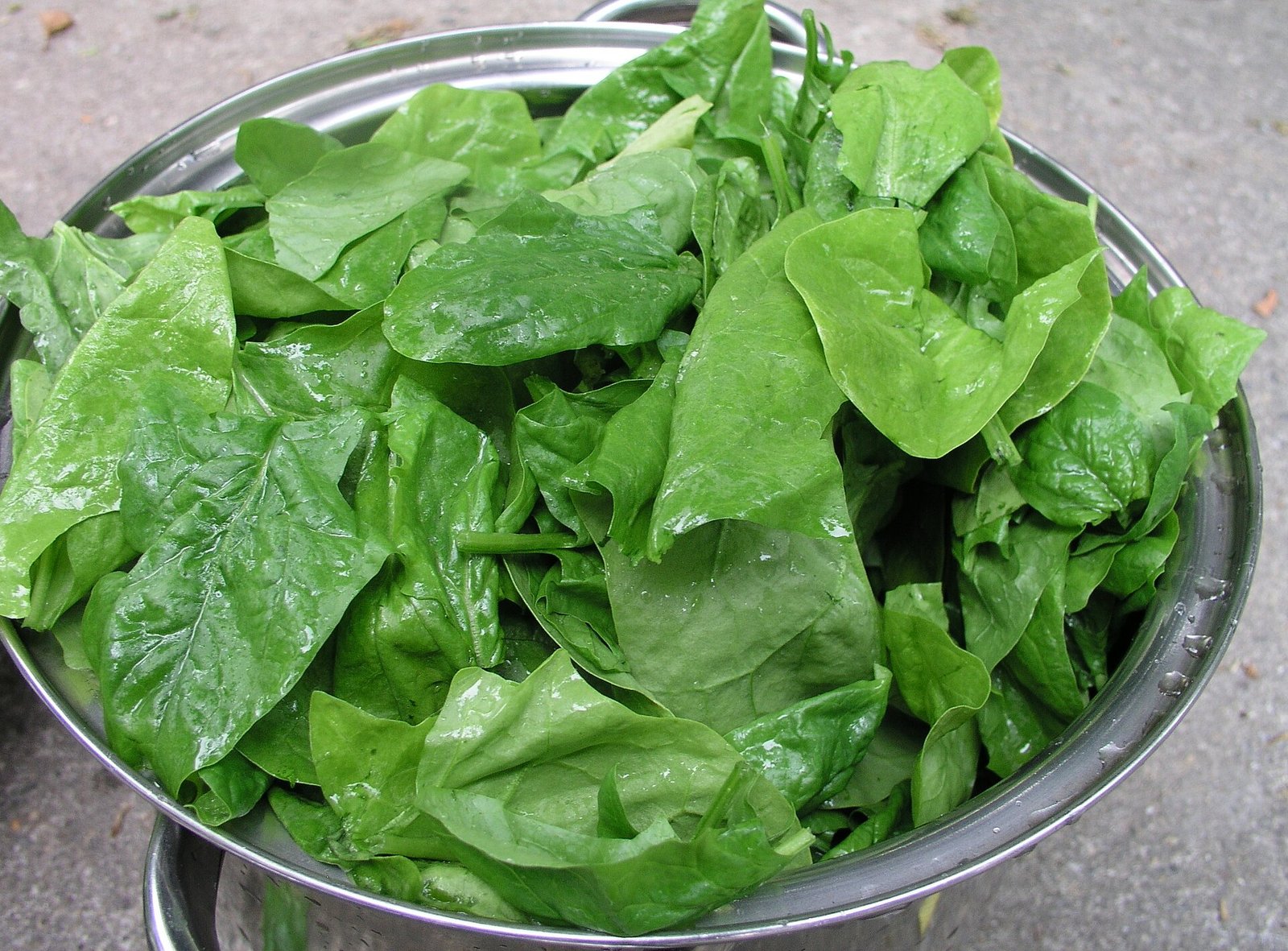
Photo: Nillerdk, CC BY, Wikimedia Commons
Researchers from Germany and the United States have improved a way to monitor hydrogen peroxide in leaves. This substance plays a part in how plants respond to unfavorable conditions, such as too much light. Monitoring it could help detect a plant’s response even before visible changes appear. The experiments were carried out in a laboratory on spinach and corn leaves.
Carbon served as sensors—hollow tubes made of carbon, so small that they cannot be seen with the naked eye. Their glow helps track hydrogen peroxide. For comparison, the scientists used tiny platelets of the pigment “Egyptian blue.” They also accounted for the leaf’s own glow, which makes it harder to pick out the desired signal.
To test the effect of movement, a fan was used to blow air over the leaves. The individual signals fluctuated by about 40%. But comparing them with each other gave a much more stable result: most of the time, their ratio differed from its starting value by no more than 5%.
Accounting for the leaf’s own glow helped too: the measured response to bright light increased from 8% to 14%. These numbers describe changes in the glow, not the amount of hydrogen peroxide directly. So far, leaf movement and changes in lighting have been tested separately. How the method works when sunlight and wind fluctuate at the same time still needs to be tested.
Related lessons
Sources
- Нанодатчики помогают узнать, когда растениям слишком много света — Nanowerk (Retold with a link)
- Spinach leaves.jpg — Nillerdk (CC BY)


 I’m offended. Let’s talk tomorrow.