

Chemical “Bridges” Helped a Battery Material Withstand 800 Charges
Scientists linked two materials with chemical “bridges.” They help preserve the material’s internal structure as the battery charges and discharges.
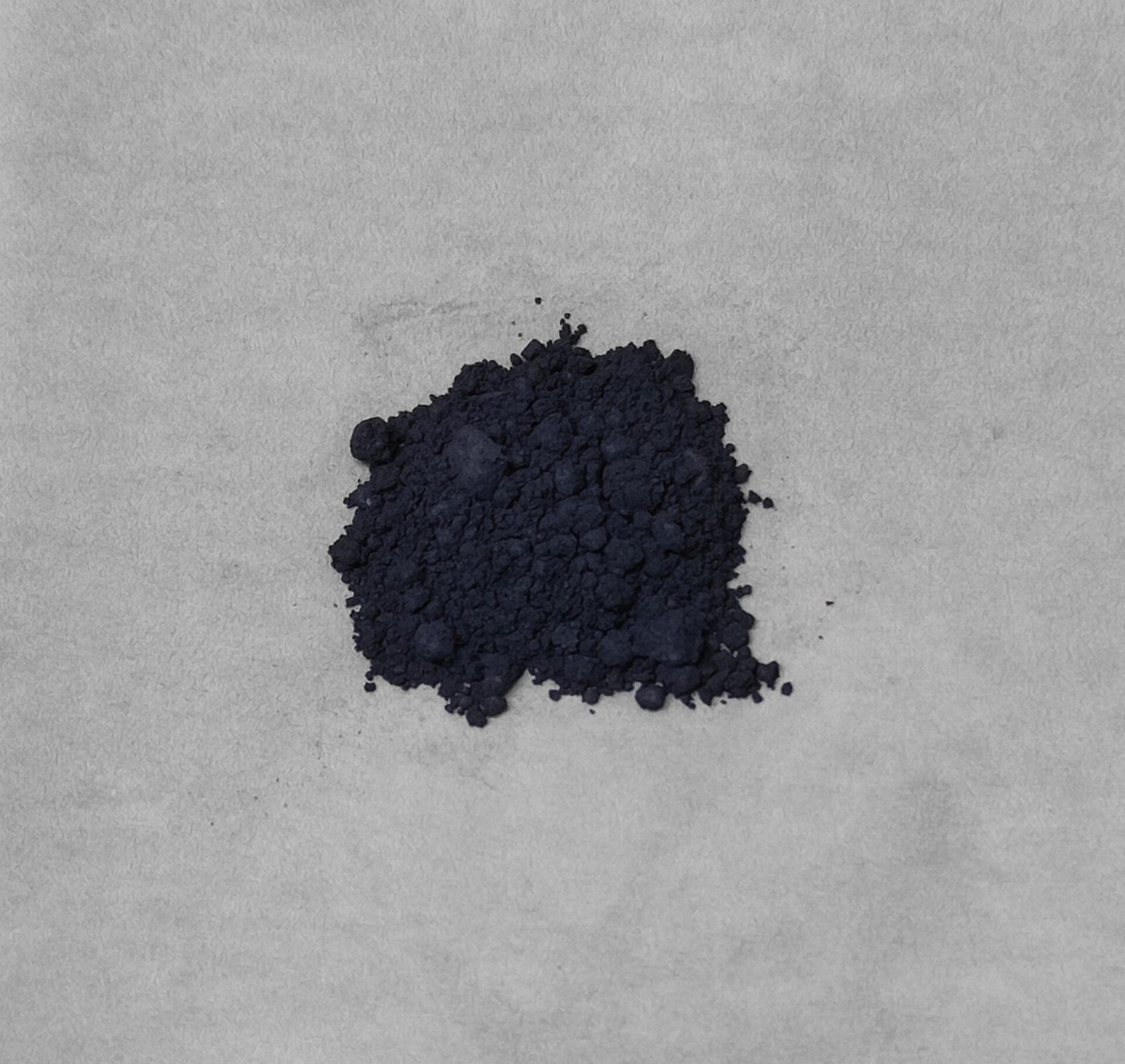
Photo: Leiem, CC BY-SA, Wikimedia Commons
Scientists created a new material for batteries. To do this, they took molybdenum disulfide—a compound of molybdenum and sulfur. They combined it with carbon containing nitrogen. Chemical bonds formed between the molybdenum and nitrogen. You can think of them as tiny “bridges” that hold the two parts of the material together.
The new material is designed for an electrode—a part of a battery that helps store and release electric charge. During repeated charging and discharging, it is important for its internal structure to stay intact. The “bridges” created by the scientists help hold this structure together. They also make it easier for electric charge to move through the material.
The distance between the layers of the molybdenum and sulfur compound also changed: it increased slightly. This made it easier for lithium particles to move between the layers. So the chemical bonds did more than hold the materials together—they also helped particles move, which is necessary for the battery to work.
The researchers tested how well the electrode handled repeated charging and discharging. After 800 such cycles, the amount of charge it could release did not decrease—it increased. This result applies specifically to the electrode that was tested. It does not mean that any complete battery using this material has already shown the same properties.
Related lessons
Sources
- Молекулярные «мостики» помогают аккумулятору выдерживать многократную зарядку — Nanowerk (Retold with a link)
- Sample of MoS2.jpg — Leiem (CC BY-SA)


 I’m offended. Let’s talk tomorrow.