

Sugar Helps Make Porous Carbon for Batteries
Scientists have learned to make a nanostructured carbon material from modified sugar alone. The new method is simpler and gentler than the old one.
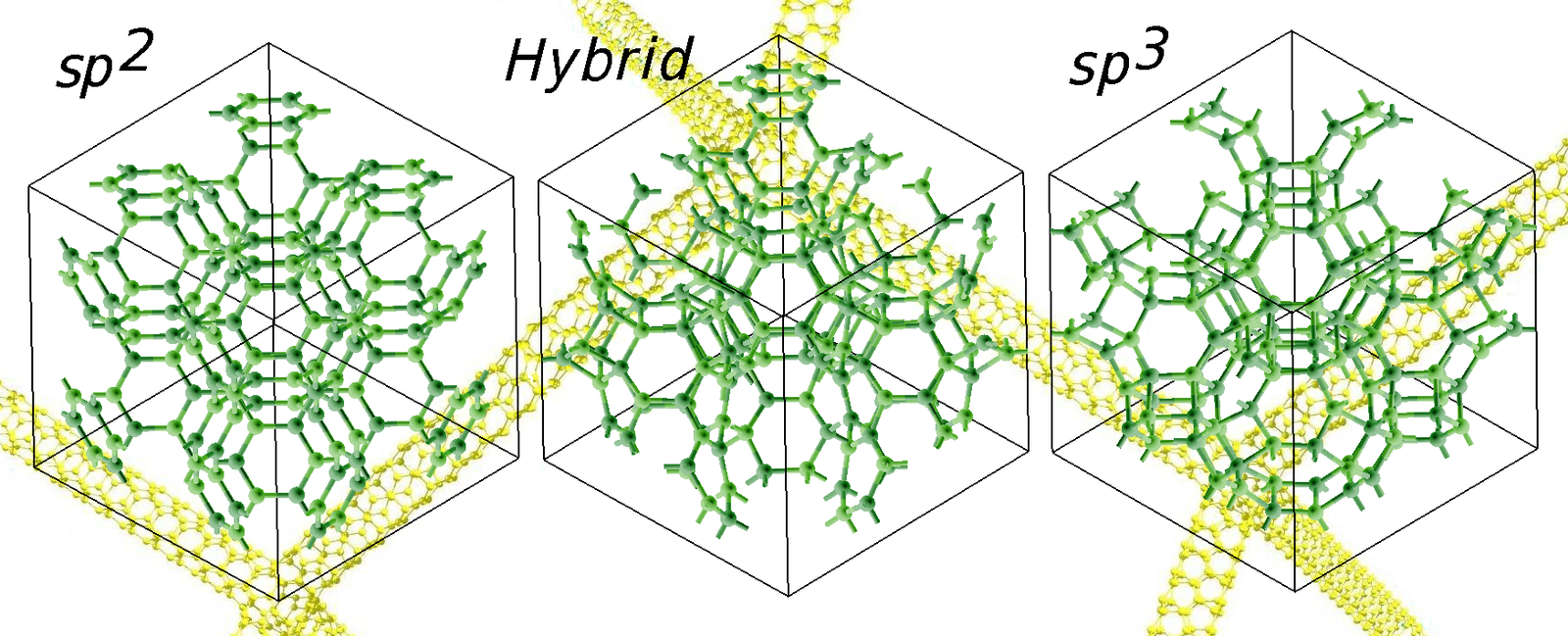
Photo: Oyar0ukr0net, CC BY-SA, Wikimedia Commons
Scientists from the AIST institute have found a new way to make an unusual carbon material. It is made from sugar. First, the sugar is slightly changed chemically: a long chain of is added to it.
The finished material is full of very tiny holes. They are called nanopores. They are so small that they can only be seen with powerful instruments. Such holes could be useful in various devices.
Next, the mixture is heated in water under pressure, in a sealed vessel. Parts of the chemical substances bond with each other. This is how carbon is formed. If you change part of the sugar, you can get either a material with round pores or a material with layers.
The old method is more complicated. It requires special templates, which then have to be removed. Sometimes strong acids and heating to several hundred degrees Celsius are needed. The new path is simpler and gentler in its conditions.
The article does not give the sizes of the pores or other numbers. The scientists write that such materials could be used in battery electrodes and as the basis for catalysts. A catalyst is a substance that helps a chemical reaction run faster.
Related lessons
Sources
- Modified sugars enable simpler synthesis of nanoporous carbon materials without templates — Nanowerk (Retold with a link)
- Porous-crystals.PNG — Oyar0ukr0net (CC BY-SA)


 I’m offended. Let’s talk tomorrow.