

News
Fresh nanotechnology news in simple words. Each news item has a link to the original source.
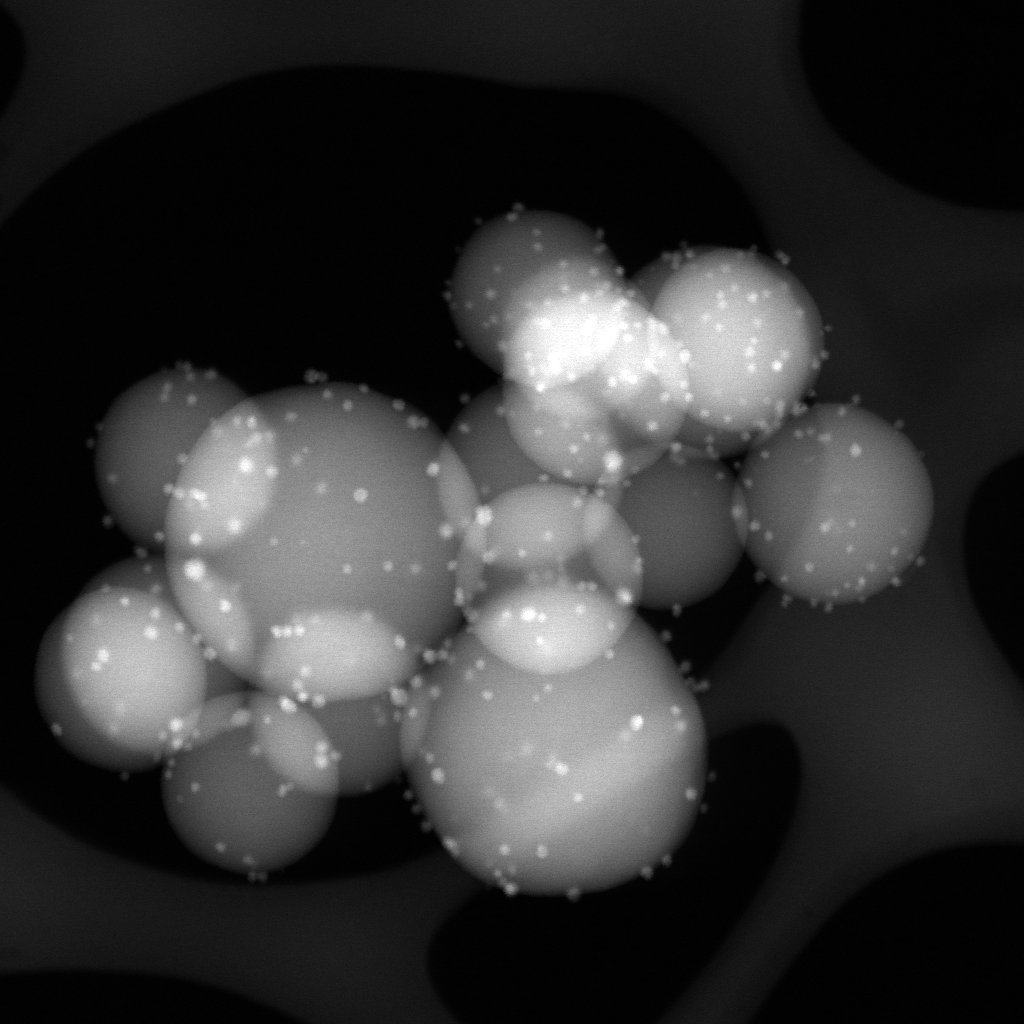
Tiny Particles Get Protective Shells with Moving “Windows”
Scientists tracked how tiny particles change during a chemical reaction. Protective shells formed around them with openings that changed position.
Grades 5–8 Grades 9–11
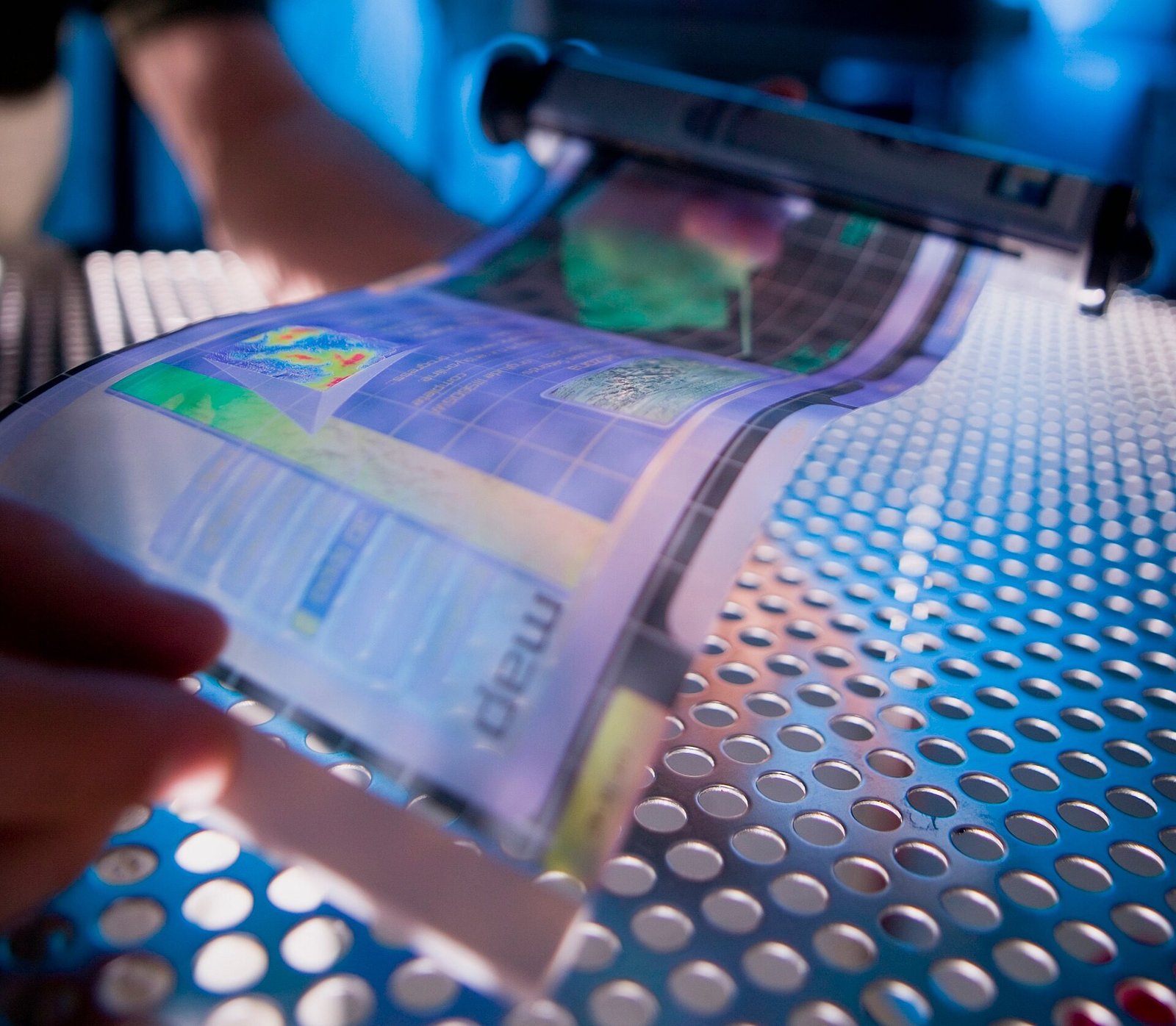
Flexible Nanofilm Protects Electronics from Interference and Withstands Folding
Scientists in China have created protective films that can be folded repeatedly. They can be made with an area of about one square meter.
Grades 5–8 Grades 9–11

Two Layers of Tiny Pillars Help a Flat Lens Lose Less Light
Researchers at Harvard have created two layers of tiny pillars that reduce unwanted light reflection. This structure will help flat lenses work more efficiently.
Grades 5–8 Grades 9–11

Thin Layers Help Glasses Show Bright Images Right Before Your Eyes
Researchers in South Korea have created a thin component for glasses that add images to the world around you. It helps reduce light loss and keep images bright as the eye moves.
Grades 5–8 Grades 9–11
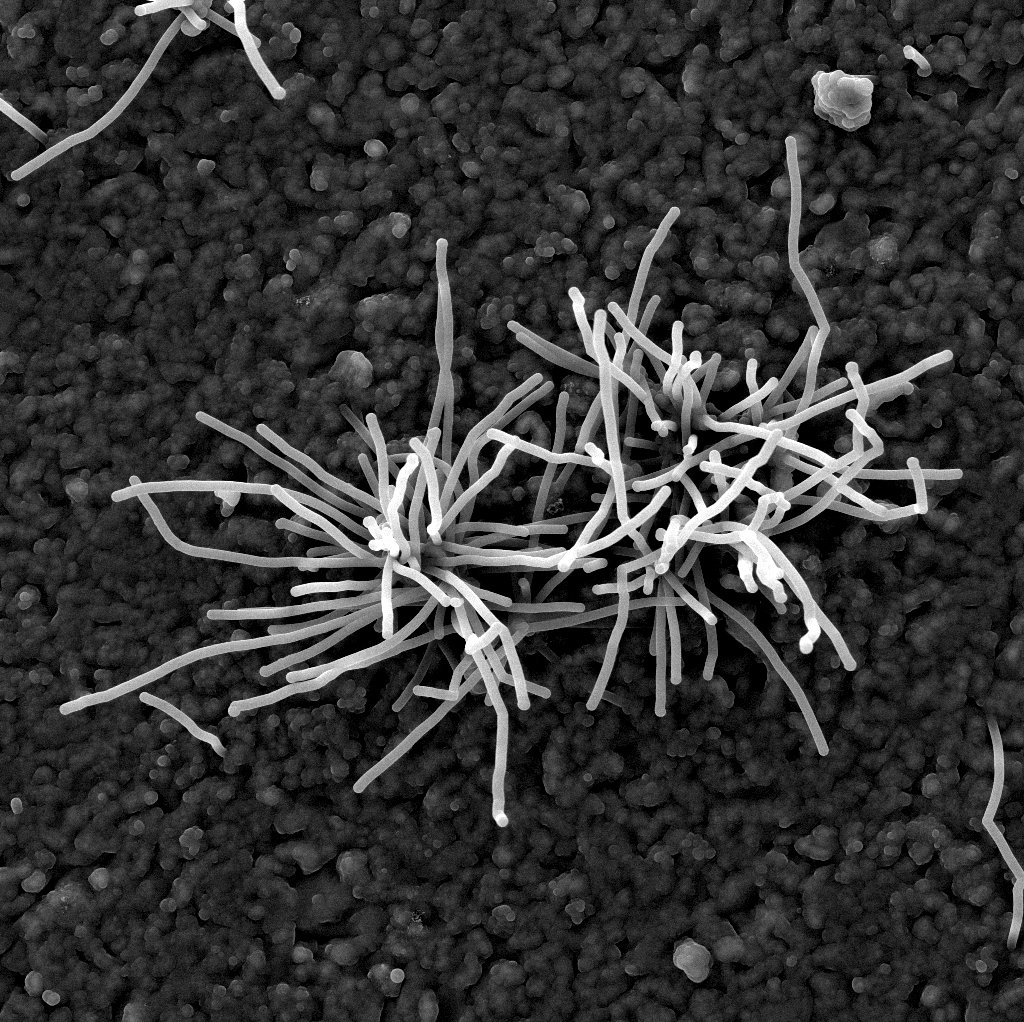
Nanotubes Helped Join Lightweight Plastic Parts More Strongly
Scientists created a powder containing carbon nanotubes for joining lightweight parts. With it, the required temperature was reached 57% faster, and the joint strength increased by 30.8%.
Grades 5–8 Grades 9–11
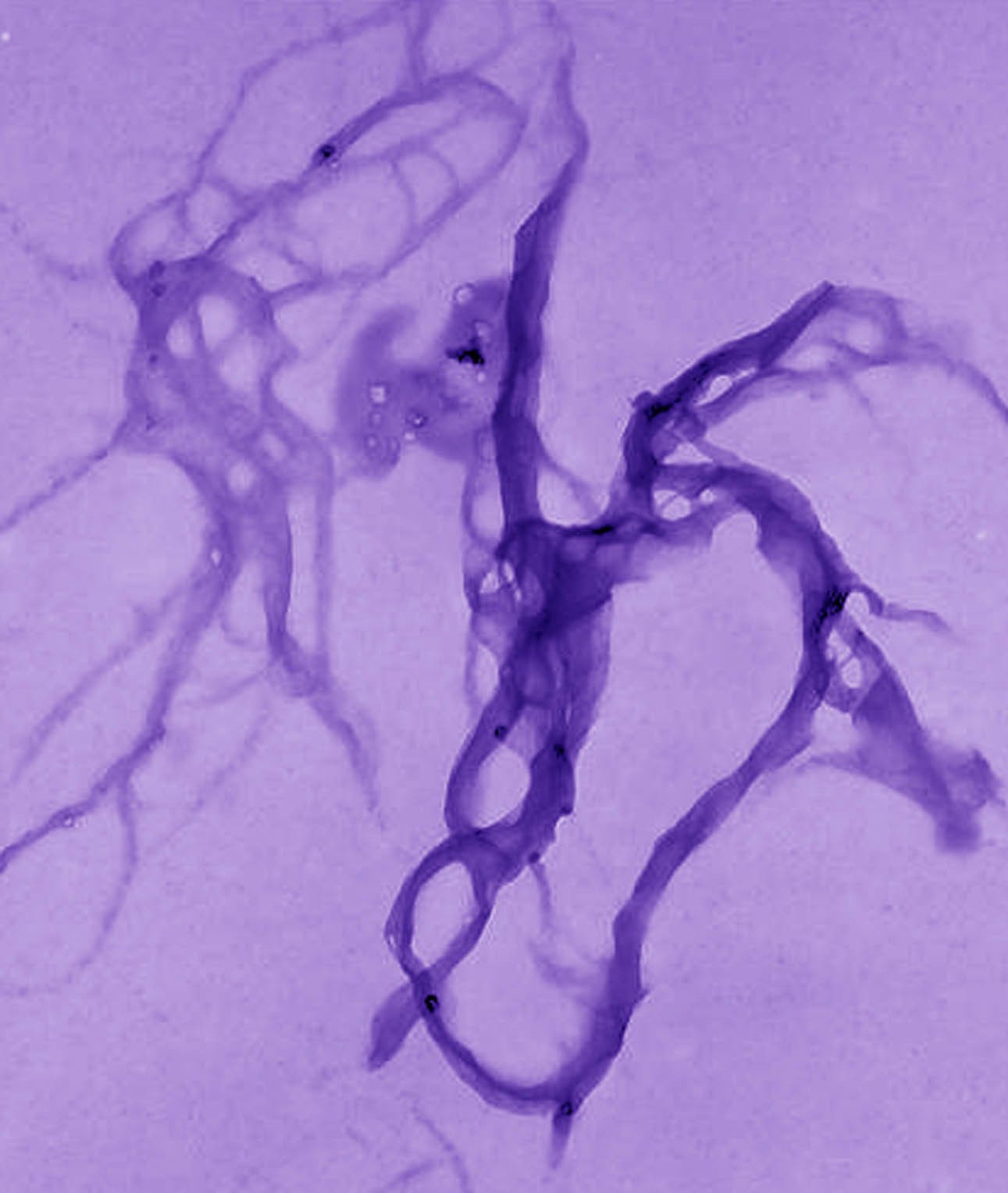
A Thin Mesh on the Skin Helps Recognize Hand Gestures
Scientists in Japan have created a conductive mesh directly on the skin. It lets air through, follows the body's curves, and makes it possible to build sensors that help a computer recognize gestures.
Grades 5–8 Grades 9–11

A Reaction at One Point on a Nanosheet Can Spread Across Much of the Material
Scientists have found that a change at one tiny point on an ultrathin sheet of MXene can spread farther. They also studied how a single layer of this material stores hydrogen.
Grades 5–8 Grades 9–11

Magnetic Nanoparticles Helped Glue Harden in an Hour Instead of a Day
Scientists in Singapore heated glue from the inside using tiny magnetic particles. In one hour, the bond reached a strength comparable to the result of a day in a conventional oven.
Grades 5–8 Grades 9–11

Nanoparticles Helped a Sensor Detect Hydrogen in Hot, Humid Air
Scientists have created a hydrogen sensor that does not need an external heater. It detects small amounts of this gas even at a temperature of 80 °C and a humidity of 90%.
Grades 5–8 Grades 9–11

Flexible Nanofilm Protects Electronics from Interference and Withstands Folding
Researchers in China have created flexible protective films for electronics. They withstand repeated folding, and printed conductive patterns expand their operating range.
Grades 5–8 Grades 9–11
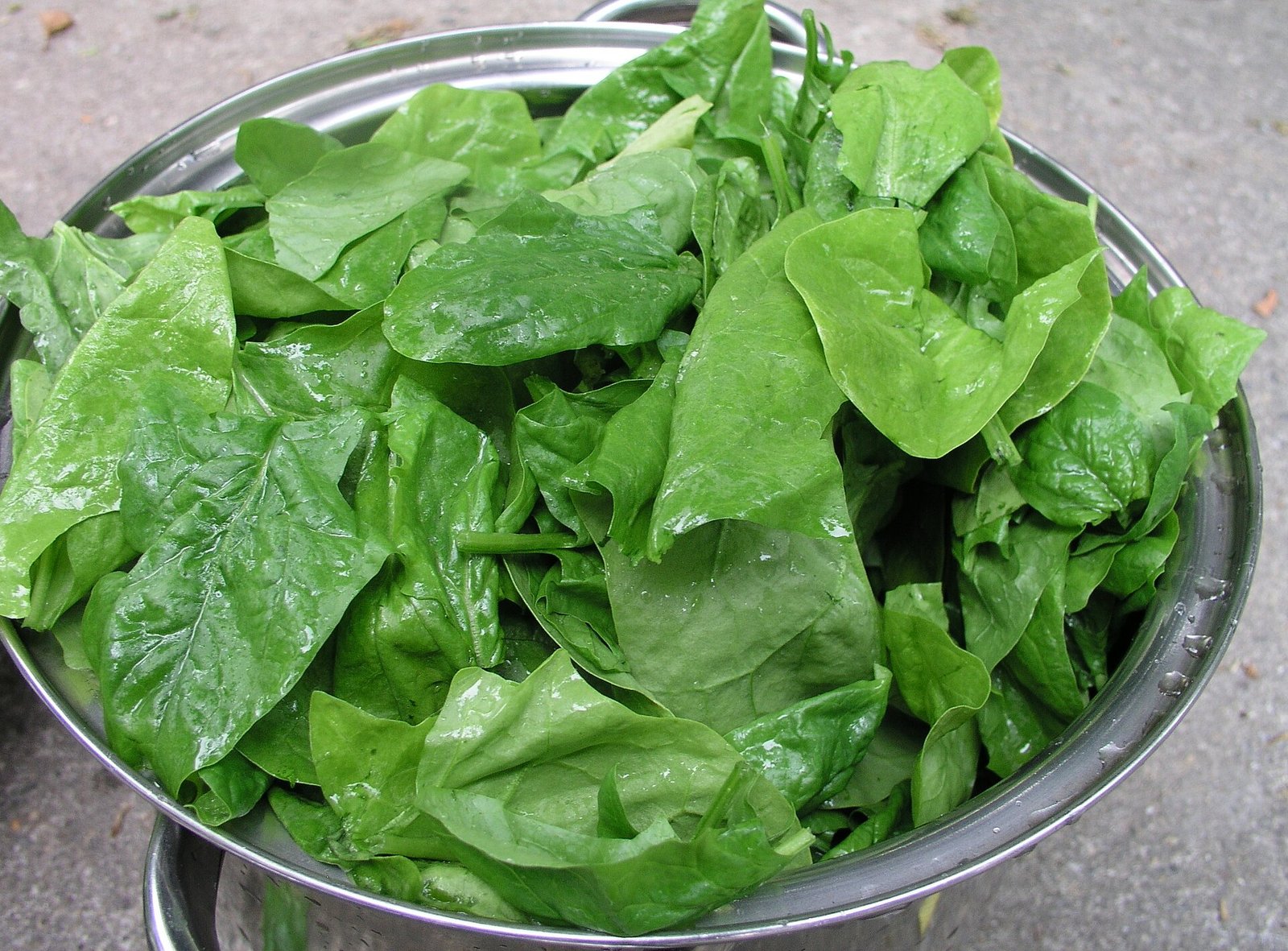
Tiny sensors help spot when plants get too much light
Scientists have improved a way to monitor how leaves respond to bright light. Tiny sensors and a reference sample helped reduce interference in the measurements.
Grades 5–8 Grades 9–11
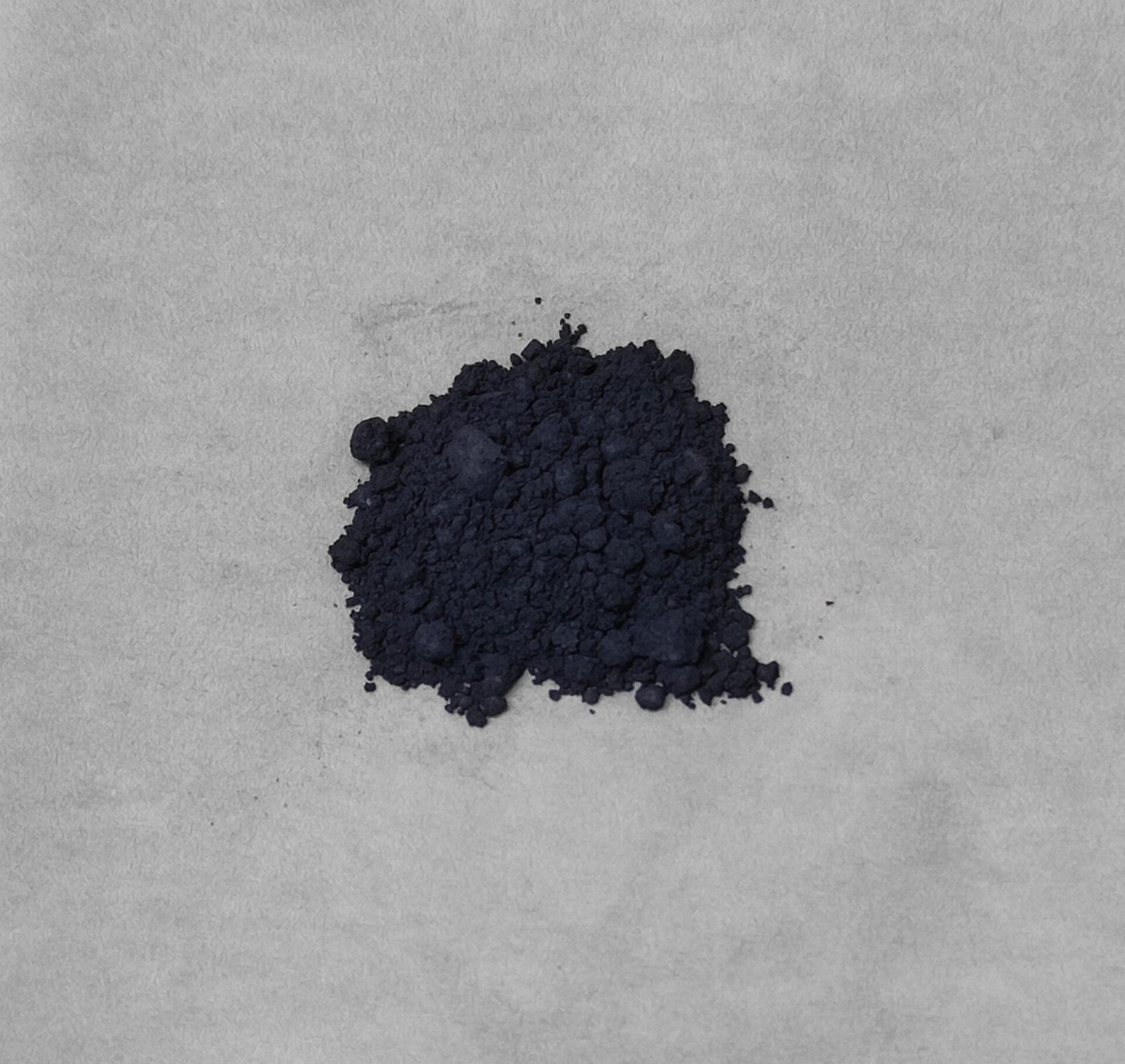
Chemical “Bridges” Helped a Battery Material Withstand 800 Charges
Scientists linked two materials with chemical “bridges.” They help preserve the material’s internal structure as the battery charges and discharges.
Grades 5–8 Grades 9–11
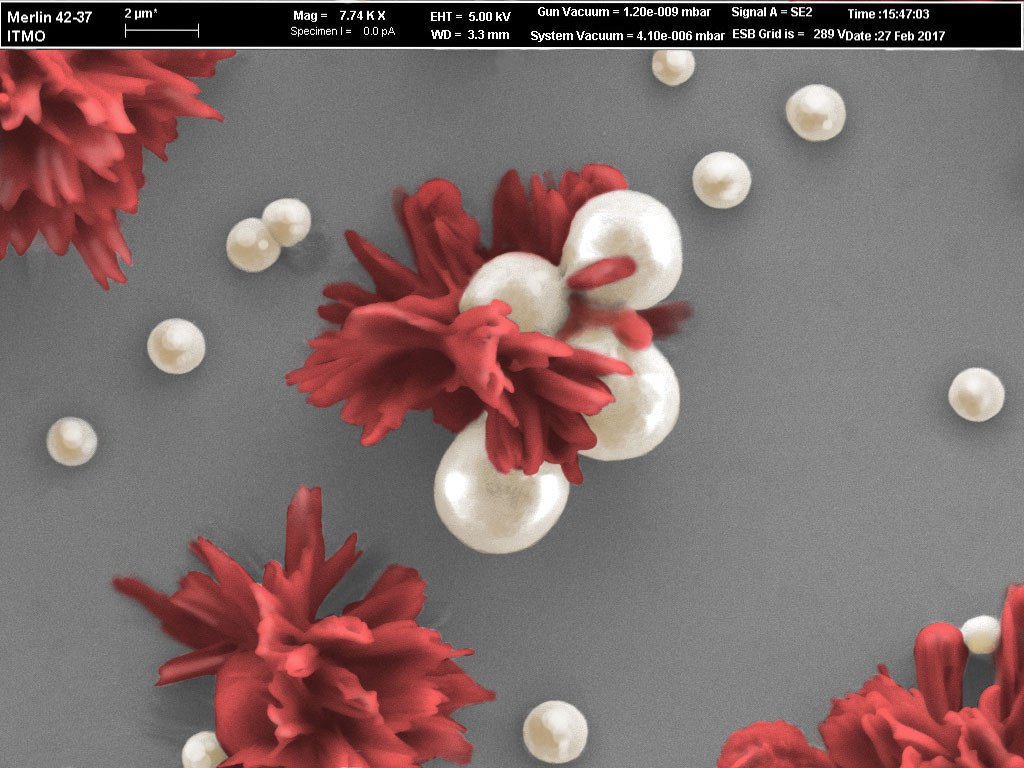
Tiny crystals assemble into zebra-like stripes
Researchers at Cornell University have discovered how to control patterns made of quantum dots. As liquid evaporates, these tiny crystals leave behind stripes, ribbons, and other patterns.
Grades 5–8 Grades 9–11

Robots get soft “antennae” that tell gases apart and sense wind
Scientists in China have created two soft “antennae” for robots. They tell gases apart while also measuring wind speed and direction.
Grades 5–8 Grades 9–11

How Tiny Threads Inside Fibers Share the Load
Scientists have learned to observe how a material’s fibers and the tiny threads inside them change when compressed. This will help them understand the structure of materials that distribute loads well.
Grades 5–8 Grades 9–11
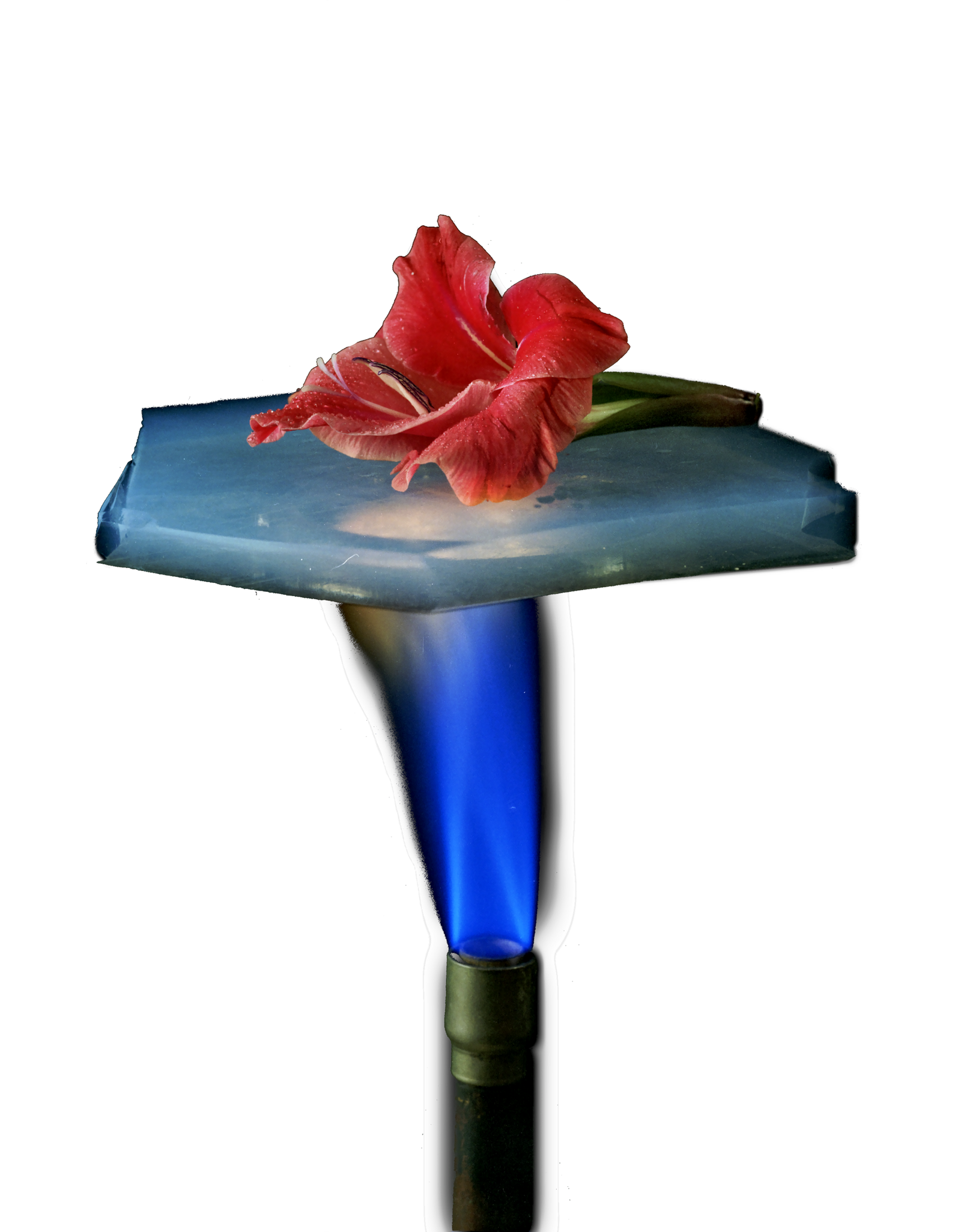
Porous Material Helps Cool Surfaces Without Electricity
Scientists in China have created a material that reflects sunlight and lets heat escape. In tests, it helped make a cooling coating 5.2 °C cooler.
Grades 5–8 Grades 9–11

A Diamond Tip Helped Change Metal Without Heating It
Scientists changed the internal structure of molybdenum at room temperature. To do this, they pressed a fine diamond tip into the metal—just a few nanometers deep.
Grades 5–8 Grades 9–11

Flexible Molecules Helped LEDs Glow Orange-Red
Researchers created flexible, metal-free molecules for organic LEDs. They emit orange-red light and open a new path to creating materials for screens.
Grades 5–8 Grades 9–11

Graphene Sponge Helped Batteries Deliver Energy Faster
Adding just 1% porous graphene improved the power output of batteries. At the same time, they kept their ability to store a lot of energy in a small volume.
Grades 5–8 Grades 9–11
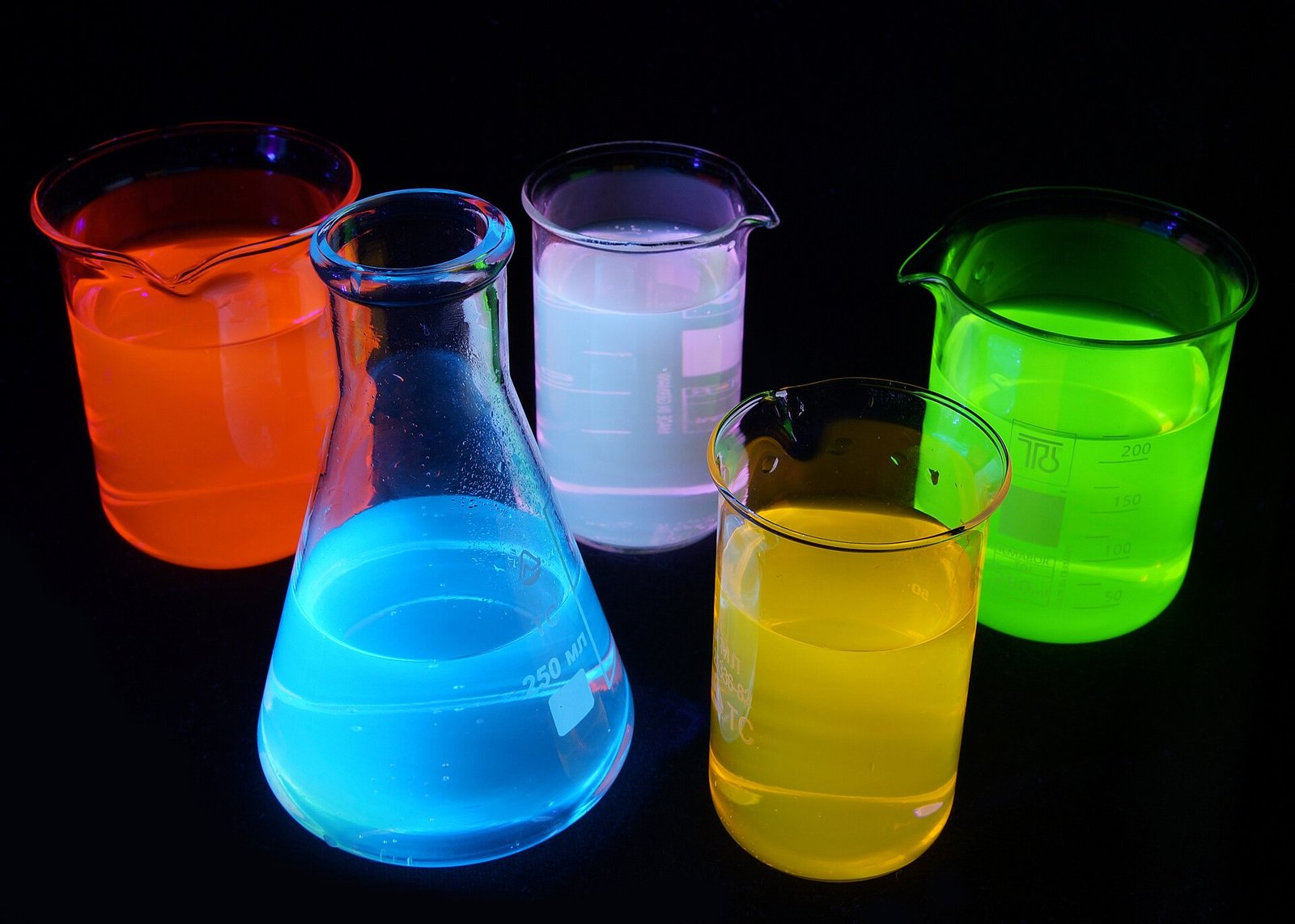
Carbon Nanodots Change Their Glow Color and Help Hide Information
Scientists have created tiny carbon particles that glow in different colors. The color can be changed using the liquid, its acidity, and the number of particles.
Grades 5–8 Grades 9–11

Scientists created a plant-based material that reflects more than 95% of light
The material made from plant substances consists of 100 extremely thin layers. It reflects light well and could someday be useful for windows that help keep homes cool in summer.
Grades 5–8 Grades 9–11

The Archimedes Screw Molecule: A Tiny Machine Powered by Electric Current
Scientists from several countries have created a molecular machine that works like an Archimedes screw. When the molecule spins fast enough, the electric current through it sharply increases, by about a hundredfold.
Grades 5–8 Grades 9–11
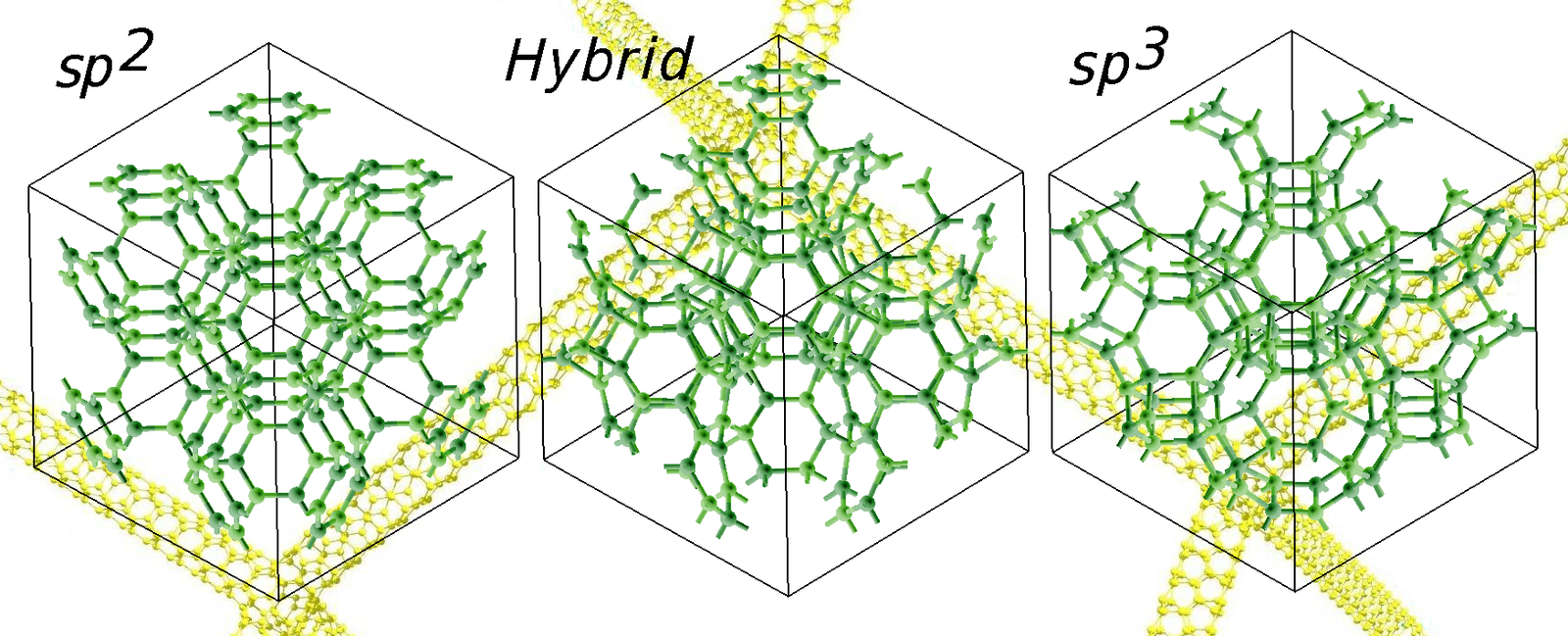
Sugar Helps Make Porous Carbon for Batteries
Scientists have learned to make a nanostructured carbon material from modified sugar alone. The new method is simpler and gentler than the old one.
Grades 5–8 Grades 9–11
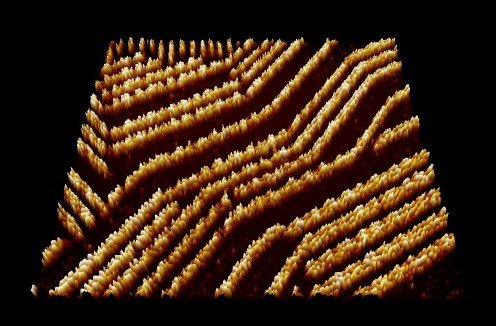
Light Helps Create New Organic Semiconductors
Scientists from Japan used light to create two new materials for electronics. They could be useful for flexible screens and wearable sensors.
Grades 5–8 Grades 9–11


 I’m offended. Let’s talk tomorrow.